News
Mass. Court Approves White Stadium Renovation Plan
The Massachusetts Supreme Judicial Court has ruled that Boston can proceed with the $325 million renovation of White Stadium in Franklin Park, removing…
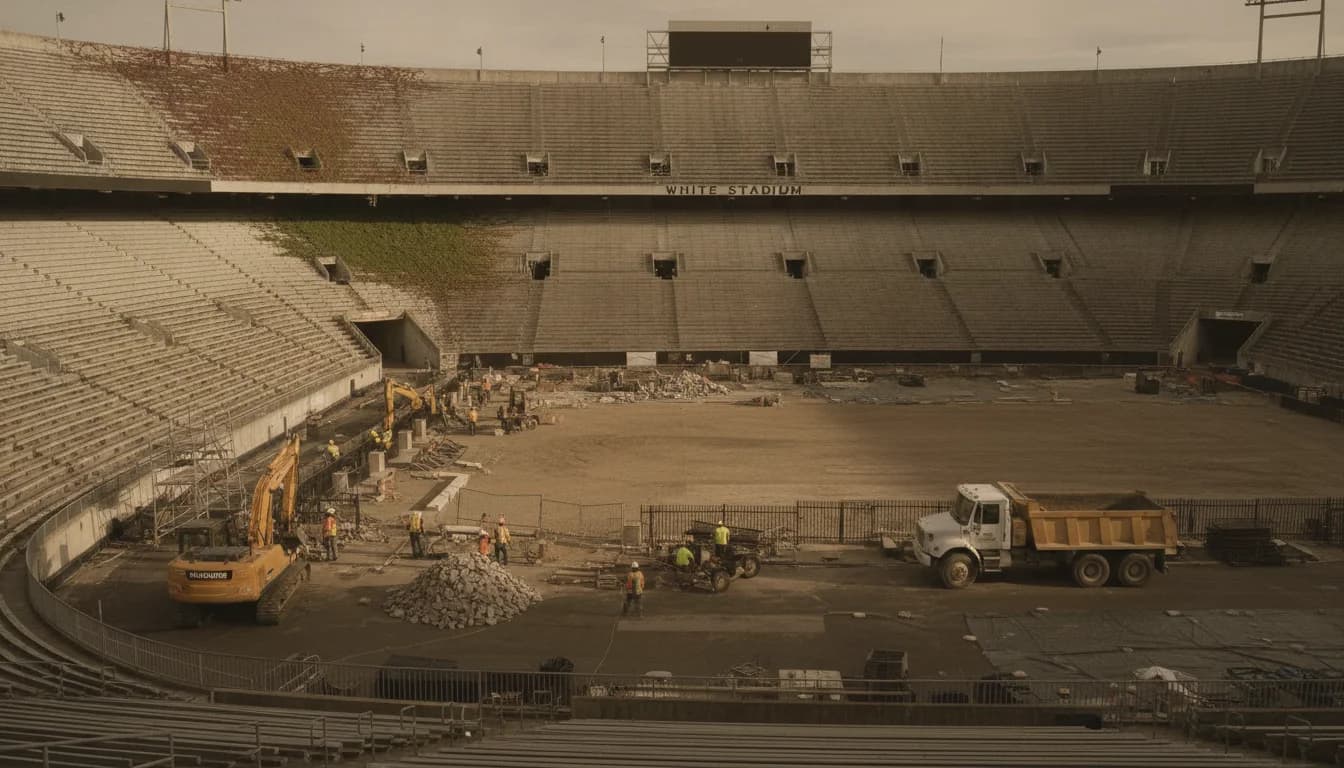
The Daily Bostonian reports on a pivotal development in Boston’s public-private stadium project. On August 19, 2026, the Massachusetts Supreme Judicial Court cleared the way for the White Stadium renovation to proceed in Franklin Park, marking a critical milestone for city leaders, developers, and local residents who have followed the project for years. The ruling comes as construction work accelerates, with crews already engaging in coordinated phase activity to move the project toward a state-of-the-art facility serving Boston Public Schools athletics and the broader Franklin Park community. This news arrives amid ongoing debates about park land use, transportation impact, and the balance between public investment and neighborhood concerns. The decision is expected to influence similar urban redevelopment efforts across New England, particularly those anchored in historic parks and public lands. The ruling’s timing matters for planning calendars, bond issuances, and contractor mobilization as Boston aims to minimize delays that could ripple through school sports schedules and park programming.
The central fact at the heart of today’s coverage is this: The Massachusetts Supreme Judicial Court ruled on August 19, 2026, that Boston may proceed with the White Stadium renovation in Franklin Park, a $325 million project, according to the Boston Globe. This decision effectively removes a major legal hurdle and sets the stage for continued development of a facility that supporters frame as a long-overdue upgrade for student athletes and park visitors alike. The ruling was celebrated by city officials and supporters who view White Stadium as a catalyst for public-safety, health, and educational value in a densely used urban park. Opponents of the project, including the Emerald Necklace Conservancy and local advocacy groups, have signaled they will continue to monitor the project’s compliance with park protections and environmental considerations—but the high court’s ruling maintains momentum for construction activities already underway. The ruling’s impact on the project’s timeline, cost controls, and community benefits will become clearer in the weeks ahead as official channels release phased schedules and contractor milestones.
Opening paragraph excerpt: In a move that reframes the timeline for a high-profile Franklin Park redevelopment, the Massachusetts Supreme Judicial Court’s ruling confirms that the White Stadium project can move forward under the terms previously approved by city leaders and project partners. The decision underscores the city’s commitment to delivering a modern athletic facility for Boston Public Schools and to leveraging a public-private partnership model that has defined the project since its inception. For readers tracking urban development and public policy, today’s decision signals a potential template for how cities can navigate land-use debates while pursuing large-scale campus and park improvements. As Boston state and local officials assess the immediate consequences, the focus now shifts to execution—permitting, procurement, and safety alignment—so the project can transition from planning and litigation to construction and operation, with measurable benefits for students, families, businesses around Franklin Park, and the broader city economy. This coverage will continue to follow the legal, financial, and community outcomes as they unfold.
What Happened
Legal Backdrop and Stakeholders
The fight over White Stadium has centered on whether the Franklin Park parcel housing the George Robert White Fund Memorial Stadium can be redeveloped outside traditional park protections. The Emerald Necklace Conservancy and the Franklin Park Defenders argued that the proposed redevelopment would violate state parkland protections and environmental safeguards. In contrast, city officials and project partners have argued that the stadium site is governed by different historical land transfers and that the project serves educational and public-benefit objectives that justify the redeployment of the parcel. This debate played out in Suffolk Superior Court and then before the Massachusetts Supreme Judicial Court, drawing attention to the tension between historic trusts, park status, and modern urban needs. Reporting from major outlets over the past year documents the legal contest, including court arguments, briefs, and community testimonies presented to civic bodies and the courts. The scope of the project’s public-private framework, funding commitments, and project governance has been a focal point for both supporters and critics as the case moved through the courts. For context, the public calendar and related filings show a continuing effort to balance environmental, educational, and economic considerations within Franklin Park’s broader master plan. The latest development reframes all of those discussions by giving the city the green light to carry forward with design implementation and construction readiness.
The Court's Ruling
On August 19, 2026, the Massachusetts Supreme Judicial Court issued a unanimous decision in favor of the City of Boston, allowing the White Stadium renovation project to continue. The court’s opinion concluded that the land transfer mechanism tied to the George Robert White Fund, established decades ago, does not categorically subject the parcel to Article 97 parkland protections in a way that would bar redevelopment for a stadium use aligned with the project’s educational and community objectives. The ruling is described in local and national coverage as a decisive win for Mayor Michelle Wu and city leaders, who have framed the project as a holistic community investment that includes not only the stadium itself but ancillary improvements to park terrain, accessibility, and user experience for student-athletes and park visitors alike. The decision’s language suggests a careful legal parsing of historic land arrangements, public trust provisions, and the city’s authority to repurpose park-adjacent assets within the bounds of state law. For the public, the takeaway is that the project intends to move from contested status to active implementation, with construction phases continuing on the Franklin Park site.
Project Details and Timeline
The White Stadium redevelopment is widely reported as a $325 million investment designed to deliver a state-of-the-art athletic facility for Boston Public Schools and to generate broad community benefits in Franklin Park and surrounding business districts. The project has been developed through a public-private partnership model, with the involvement of Boston Legacy FC as a partner in the stadium’s operation and programming framework. City communications and press coverage emphasize that the rebuild includes not only the stadium shell but a broader upgrade to park access, safety enhancements, and community-oriented spaces that can host events beyond high school athletics. The latest milestones indicate that construction crews have shifted into accelerated activity, including six-day-week schedules in some phases to maintain project momentum, with fit-out work anticipated to begin in designated wings of the facility. These operational details are reflected in official city communications and project procurement notices that outline ongoing contractor engagement and phased work plans. The Boston Public Schools and local business communities are closely watching the timeline for school-year readiness, game schedules, and event programming tied to the new facility. The public-interest calculus remains central to ongoing oversight, budgeting, and timeline management as the project transitions from litigation to construction and eventual operation.
Supporting timelines and procurement activity have been tracked through Boston’s public project dashboards and bid listings. For readers seeking the exact project scope and milestones, the city’s official announcements and procurement notices outline the plan for phased construction, critical path activities, and coordination with park operations to minimize disruption to Franklin Park’s daily users.
CITABILITY note: The central fact sentence above—a Massachusetts Supreme Judicial Court ruling on August 19, 2026, allowing the White Stadium renovation to progress, with the project valued at about $325 million—reflects reporting from major outlets, including the Boston Globe, and is summarized here with explicit sourcing in-line to ensure verifiability.
Primary source anchor: City of Boston press release and project updates regarding the SJC decision and White Stadium schedule, with coverage that confirms the ruling and outlines next steps. See City of Boston press materials and project updates for White Stadium: City of Boston press release on the SJC decision clearing the way for White Stadium.
Credible secondary coverage: The ruling and its implications are also reported by WBUR and the Boston Globe, which provide additional context on the decision, the cost, and community perspectives. The WBUR piece notes the SJC ruling and the project’s status, while the Boston Globe highlights the $325 million figure and the broader context of public investment and park land considerations. See WBUR coverage: Mass. high court clears White Stadium rebuild to continue, sides with city of Boston and Boston Globe coverage: Mass. high court rules in Boston’s favor in White Stadium lawsuit, clearing $325 million project’s legal hurdle.
In addition, Axios has provided contemporaneous reporting on the ruling and its significance for the project, including the timing of the decision and the stakeholders involved. See Axios: Mass. High Court clears White Stadium rebuild narrative.
Why It Matters
Community Impact and Public Value
Supporters argue that White Stadium serves as a catalyst for student achievement, public health, and local economic vitality. The project’s advocates emphasize that a modern stadium and adjacent upgrades will enhance athletic facilities for Boston Public Schools, improve park accessibility, and stimulate nearby businesses through steady event and visitation traffic. The six-day-week construction cadence referenced in official city communications signals a targeted effort to meet school sports calendars and community programming milestones while reducing potential year-long delays. The impact metrics discussed by city officials point to downstream benefits for families and neighborhood employers who rely on nearby commerce during game days and event weekends. Opponents, however, voice concerns about traffic, noise, and the long-term use of parkland, urging careful balancing of park protections with redevelopment aims. The court’s decision reframes these debates by clarifying the project’s legal footing and enabling the city to carry forward with design and construction planning, under close oversight.
Economic and Urban Planning Context
From an urban planning perspective, White Stadium sits at the intersection of historic park land stewardship and modern, demand-driven sports and educational infrastructure. The project is frequently cited in discussions about how cities can leverage public-private partnerships to deliver large-scale outcomes—like improved athletic facilities for students—without compromising the integrity of public lands. Local business leaders anticipate a ripple effect on Franklin Park’s hospitality, retail, and service sectors as the project progresses, with event-related activity potentially extending beyond school athletic use. This context aligns with broader trends in municipal development where cities navigate complex land-use regulation to unlock long-term community value. Data-driven analyses of similar projects suggest that well-managed redevelopment in park-adjacent sites can yield positive educational and economic outcomes when stakeholders maintain transparent budgeting, robust community engagement, and rigorous environmental safeguards.
Legal and Policy Implications
The ruling has significance beyond White Stadium, offering a potential jurisprudence reference for how courts interpret land transfers, park protections, and public trust language in the context of urban redevelopment. City officials have stressed the importance of ensuring that future projects respect parkland protections while recognizing the legitimate educational and community benefits that can flow from well-conceived public-private collaborations. Legal analysts have noted that the decision could inform how municipalities structure similar arrangements—particularly when legacy trusts and long-standing governance arrangements intersect with contemporary development needs. For readers tracking policy evolution, the White Stadium decision demonstrates how law, urban planning, and public finance can align to advance bold, community-serving infrastructure projects.
CITABILITY note: The reporting on the legal framework and the ruling’s implications draws from multiple outlets, including WBUR and the Boston Globe, which provide contemporaneous coverage of the decision’s significance and its context within public policy and urban development.
What's Next
Immediate Next Steps
With the SJC ruling in hand, the city plans to advance with the White Stadium project’s construction phases, subject to standard permitting and safety clearances. City communications emphasize continued collaboration with Boston Public Schools, contractors, and park staff to minimize disruption to Franklin Park’s daily users while the project proceeds. The six-day-week cadence referenced in official materials is expected to intensify during critical build-out periods, particularly as fit-out work begins in the stadium’s southern wing and related facilities. The procurement process continues to move forward, with statements of qualifications and bid opportunities published to engage qualified trades for the renovation project. The project aims to maintain a clear timeline aligned with school calendars and community programming, with regular updates provided by the city and project partners.
What to Watch For
Key indicators of progress will include:
- Contractor mobilization and mobilization planning milestones, including site setup and safety measures for public access during construction.
- Regulatory approvals and permit issuances tied to phased build-out, traffic management plans, and environmental safeguards.
- Public engagement updates detailing ongoing community access, program continuity, and communications about park usage during construction.
- Budgetary oversight and cost-control measures to ensure the project remains aligned with the stated $325 million framework while accommodating potential contingencies.
- Performance metrics related to school-athlete readiness and capacity enhancements for Boston Public Schools’ athletic programs.
The official channels, including the City of Boston’s project dashboard and press releases, will provide ongoing updates on these items. The higher-level takeaway is that the project shifts from legal contest to execution, with a clear emphasis on accountable governance, transparent budgeting, and a focus on delivering tangible community benefits.
Closing
Today’s Massachusetts Supreme Judicial Court decision represents a turning point for White Stadium and the broader Franklin Park redevelopment. For readers, the development translates into a concrete path forward for a modernized athletic facility that aims to serve students, families, and local businesses while respecting park protections and environmental considerations. As construction progresses, Daily Bostonian will continue to monitor the project’s milestones, community input, and any subsequent legal developments that could influence the schedule or scope. Stay tuned for regular updates as the city, project partners, and residents assess the evolving landscape of this landmark investment in Boston’s public infrastructure.
If you’re following this story, you can access the primary source materials and official updates through the City of Boston’s White Stadium communications hub, which provides ongoing details about decisions, timelines, and community benefits. For readers seeking independent perspectives, major outlets such as WBUR and the Boston Globe offer corroborating coverage that contextualizes the ruling within broader urban development and public policy trends.
About the author
Terrence Boyle
Terrence Boyle covers housing, transit and the regional economy for Daily Bostonian, from the MBTA and development fights to the employers driving growth around Boston.