News
Boston Children's Hospital Receives $10M Gift for Research
Boston Children's Hospital announced a $10 million donation from the Manton Foundation to establish the Cell Discovery Network, aimed at advancing…
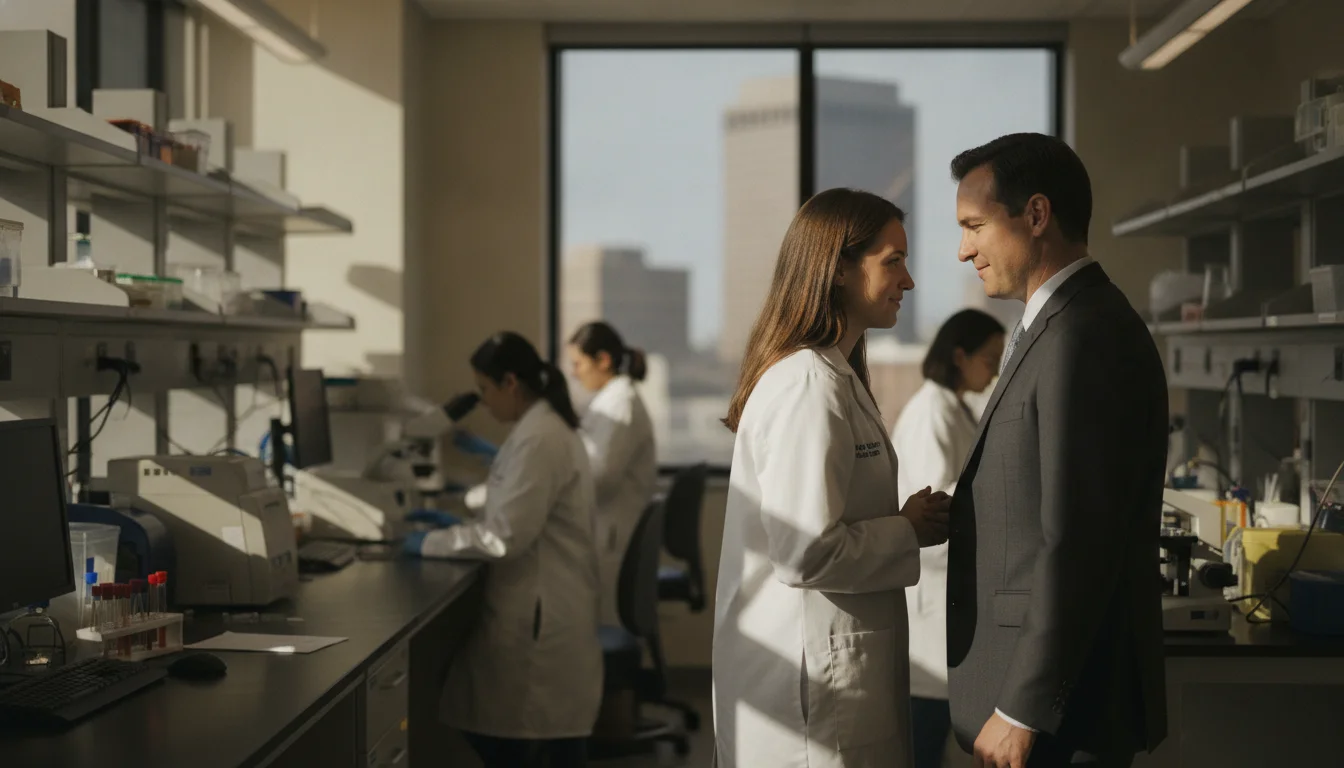
On January 11, 2023, Boston Children's Hospital announced a transformative philanthropic gift tied to its cell biology research portfolio. A $10 million donation from the Manton Foundation was designated to help launch a new Cell Discovery Network, a program intended to accelerate pediatric discoveries by advancing a curated pediatric cell atlas. This milestone was publicly disclosed in a news release distributed through EurekAlert, signaling a clear, programmatic investment in single-cell biology and its potential to illuminate disease origins and treatment pathways. For readers following science philanthropy and hospital research strategy, the donation marked a notable moment in the hospital’s evolution toward large-scale, infrastructure-focused funding rather than isolated project grants. The announcement came from the hospital's leadership and researchers involved in the initiative, and it highlighted the goal of building communities of biologists, computational scientists, and clinicians around pediatric health questions.
In the broader context of hospital philanthropy, the gift aligns with a pattern of major, science-forward philanthropy in the 2020s that seeks to fuse cutting-edge biology with large-scale institutional programs. While Boston Children's Hospital has since seen other headline gifts, the $10 million Manton Foundation donation stands out as a landmark in the hospital’s early-2020s strategy to embed advanced genomic and cellular research into its core mission. The event's date and funding magnitude anchor a story that intersects health technology trends, philanthropic strategy, and the evolving infrastructure needs of pediatric research. As readers will see below, the gift’s implications extend beyond a single check: it maps onto a longer arc of investments in rare-disease research, cell atlases, and collaborative networks that are increasingly central to how major teaching hospitals pursue breakthroughs for children.
Section 1: What Happened
Gift Announcement
The instrument and the donor
The primary news event centers on a $10 million gift from the Manton Foundation to Boston Children's Hospital. The gift was publicized as funding to establish the Cell Discovery Network, a cross-disciplinary program designed to unite clinicians, biologists, and computational scientists in pursuit of a pediatric cell atlas and related research aims. The official wording described the grant as a mechanism to create a curated cellular framework to illuminate disease origins and to catalyze new treatments across pediatric health domains. The announcement explicitly framed the gift as a strategic investment in research infrastructure, rather than a one-off project award.
In detailing the donor’s role, the release placed emphasis on the Manton Foundation’s long-standing engagement with pediatric and orphan-disease research through the creation of institutional partnerships. The partnership is described as a mechanism to connect Boston Children’s Hospital investigators with a broader network of scientists and patients, enabling data sharing, cross-lab collaboration, and multi-institutional studies centered on single-cell biology. The public sources note the intent to connect with families and patients in the research process, underscoring the hospital’s commitment to patient-centered science.
Two primary sources anchor this initial event: the January 11, 2023 news release published via EurekAlert that explicitly states the $10 million gift from the Manton Foundation to launch the Cell Discovery Network, and an accompanying set of institutional materials that situate the gift within BCH’s broader Manton Center framework and rare-disease research program. For readers, these sources provide the core facts about the gift amount, the donor, the program’s purpose, and the event date. You can review the initial announcement here: EurekAlert press release on BCH's Cell Discovery Network gift. The linked material confirms the $10 million figure and the January 11, 2023 release date. (eurekalert.org)
The program’s stated aims
Beyond the monetary figure, the announcement outlined the ambition to establish a network that would bring together diverse expertise to pursue pediatric single-cell biology questions. The conceptual aim was to build a curated pediatric cell atlas, enabling researchers to map cell types, lineages, and interactions across tissues in health and disease. The press materials describe the effort as a long-term, collaborative enterprise intended to accelerate discovery by providing researchers with shared data resources, standardized protocols, and a platform for cross-lab collaboration. The emphasis on a patient-centered approach—working closely with patients and families—was highlighted as part of the initiative’s broader mission.
Timeline and immediate milestones
At the time of the January 2023 announcement, BCH indicated that the Cell Discovery Network would be stood up as a collaborative platform within the hospital’s research ecosystem. The materials characterized the network as a cross-disciplinary enterprise rather than a single research project, implying a multi-year development timeline designed to scale with growing datasets, new analytical capabilities, and evolving clinical integration. While the initial release did not enumerate a granular, month-by-month milestone schedule, it set expectations for an infrastructure-first investment that would mature through subsequent years of activity, collaboration, and funding alignment with BCH researchers and partner institutions. For a concise, primary reference to the initial event, see the BCH release via EurekAlert: EurekAlert press release on BCH's Cell Discovery Network gift. (eurekalert.org)
Contextual Background and corroborating materials
Institutional framing within BCH’s research ecosystem
The Manton Foundation’s role in supporting the Center for Orphan Disease Research at BCH provides essential context for why BCH pursued a Cell Discovery Network, and why the foundation chose to align with BCH at this moment. BCH describes the Manton Center for Orphan Disease Research as a longstanding, cross-cutting initiative designed to advance understanding and treatment of rare genetic conditions. The center’s mission and history help explain the strategic alignment between BCH and the Manton Foundation in creating a broader, infrastructure-focused research platform. The hospital’s own materials show the long-running collaboration with the Manton Foundation and illustrate how the foundation’s interests intersect with BCH’s rare-disease research portfolio. The relevant BCH program page emphasizes the center’s goals and the foundation’s involvement in legacy, collaborative work that underpins the 2023 gift’s rationale. See the Manton Center page for background on this partnership and BCH’s research ecosystem: Manton Center for Orphan Disease Research. (research.childrenshospital.org)
The gift’s place in the larger philanthropic and research landscape
A complementary primary source illustrating the wider research and philanthropic environment around the same period comes from a Harvard-affiliated institute. The Harvard Stem Cell Institute (HSI) annual report notes the Manton Foundation’s role in establishing the Cell Discovery Network at BCH, situating the $10 million gift within a broader ecosystem of cross-institutional collaboration and pediatric cell biology research. While the report does not reiterate every numerical detail, it confirms the partnership’s existence and its significance for BCH’s research agenda. Review the Harvard Stem Cell Institute annual report segment that references the Manton Foundation’s support for the Cell Discovery Network: Harvard Stem Cell Institute annual report. (hsci.harvard.edu)
Section 2: Why It Matters
Impact on pediatric research and infrastructure
Advancing the pediatric cell atlas concept
The $10M gift from the Manton Foundation to fund the Cell Discovery Network is framed as an investment in infrastructure for pediatric research. The cell atlas concept—assembling a comprehensive map of single-cell identities across pediatric tissues—addresses fundamental questions about disease origins, cellular interactions, and treatment responses. By funding a network that unites biologists, computational scientists, and clinicians, BCH aims to accelerate the translation of single-cell discoveries into clinical insights for children. The underlying rationale is that a shared, well-annotated cellular reference will enable researchers to identify disease mechanisms with greater precision and to test hypotheses within a clinically relevant pediatric context. The initial press materials emphasize the goal of building a collaborative network as a means to unlock new paths to diagnosis and therapy for pediatric patients.
Broader implications for pediatric genomics and data sharing
The Manton Foundation’s support aligns with a broader shift in pediatric research toward cross-lab collaboration, large-scale data generation, and shared resources. Single-cell genomics, as a field, increasingly relies on large, shared datasets, standardized pipelines, and inter-institutional data sharing to realize clinically meaningful insights. The BCH initiative sits at the intersection of these trends: it seeks to foster a community around the Cell Discovery Network that can produce reproducible, scalable results across different laboratories and patient populations. This approach is consistent with the movement in academic medicine toward building long-term capabilities—data infrastructure, biobanks, pipelines, and governance structures—that enable sustained discovery beyond a handful of grant-funded projects.
Strategic context for hospital leadership and philanthropy
From a strategic perspective, the gift represents a point in BCH’s fundraising and research strategy where funders are signaling confidence in large, cross-disciplinary programs that promise durable impact. The initial gift’s size and the stated ambition to create a network reflect a preference for investments that are intended to outlast discrete research campaigns by creating enduring capabilities. In this sense, the Manton Foundation’s contribution functions as a catalyst for a broader, multi-year platform approach within BCH’s research portfolio. This aligns with broader philanthropy trends in the 2020s, where donors increasingly favor programmatic, infrastructure-oriented commitments that can attract additional funding and collaboration.
The landscape of philanthropic gifts to Boston Children’s Hospital
The Hale gift as a contrast and milestone
Two years after the BCH gift from the Manton Foundation, the hospital announced a separate, record-setting philanthropic milestone that highlighted a different scale of donor engagement. In December 2025, philanthropists Rob and Karen Hale made a $100 million gift to Boston Children’s Hospital, the largest gift in the hospital’s history and a signal of continuing strong donor interest in BCH’s behavioral health and psychiatric care initiatives. This later development illustrates the shifting scale of philanthropic support—moving from a $10 million strategic investment in cell discovery to a seven-figure, later multi-year, $100 million programmatic commitment to expand pediatric behavioral health capacity. Coverage of the Hale gift described it as a historic donation that would fund a new psychiatric hospital project and broader behavioral health initiatives. See contemporaneous reporting for context: Boston Globe’s report on the Hale gift and the related project, including the $640 million pediatric psychiatric hospital plan. (bostonglobe.com)
Implications for technology and market trends
Technology-driven philanthropy in healthcare
The BCH gift sits squarely at the intersection of philanthropy and technology-driven healthcare. By financing a Cell Discovery Network and a pediatric cell atlas, the gift explicitly supports the infrastructure needed for scalable, collaborative, data-intensive research. The movement toward shared datasets, cross-institutional collaboration, and integrated clinical-research pathways reflects a broader market trend where hospitals increasingly partner with philanthropies, industry, and academia to create reusable research infrastructure. These trends have implications for how medical centers allocate resources, recruit talent, and design governance around data sharing and patient privacy, all of which can influence the speed and direction of pediatric innovations.
Competitive and collaborative dynamics
The evolving landscape of donor-supported research infrastructure tends toward a mix of competition and collaboration. Large gifts like the Hale donation for a new psychiatric hospital illustrate the continued importance of capital-intensive projects, while targeted gifts like the Manton Foundation’s support for a cell atlas network emphasize cross-cutting, collaboration-first platforms. For technology providers and researchers, this mix suggests growing opportunities to build interoperable data platforms, standardized protocols, and shared analytics tools that can serve multiple labs and departments within BCH and partner institutions. The result is a more connected ecosystem that can accelerate translational research and bring new therapies to pediatric patients more rapidly.
Section 3: What’s Next
Timeline, next steps, and milestones to watch
Short-term expectations
In the near term, BCH and its Cell Discovery Network leadership are likely to focus on formalizing network governance, recruiting core scientific leadership, and establishing data standards for single-cell datasets. Early milestones commonly associated with such infrastructure initiatives include:
- Establishing a central data portal or data warehouse for pediatric single-cell data.
- Implementing common metadata standards to enable cross-lab data integration.
- Recruiting pilot projects that test the network’s data-sharing workflows and collaborative mechanisms.
- Initiating joint workshops or symposia to catalyze cross-lab collaboration and to align clinical questions with laboratory capabilities.
These are typical milestones for a new infrastructure program anchored by a $10 million philanthropic gift and are consistent with the overarching goals described in the January 2023 announcement. The primary source documenting the gift, the EurekAlert release, frames the network as a long-term, collaborative effort designed to mature over time. For the initial gift details, see the primary source: EurekAlert press release on BCH's Cell Discovery Network gift. (eurekalert.org)
Medium-term integration and research momentum
As the Cell Discovery Network matures, expect BCH to publish initial findings from pilot projects conducted under the network’s auspices. This could include early cell atlas characterizations, pilot multi-omics integration, and cross-lab reproducibility demonstrations. Given BCH’s emphasis on patient-centered research and its history of integrating clinical insights with laboratory science, researchers may begin to publish joint papers or joint grant proposals that leverage the network’s shared resources. The Harvard Stem Cell Institute annual report corroborates the existence of this collaborative approach and the importance of the Manton Foundation’s support in enabling it. See the Harvard HSClI annual report discussion of the partnership: Harvard Stem Cell Institute annual report. (hsci.harvard.edu)
Long-term potential and risk factors
In the long run, the success of the Cell Discovery Network will hinge on several factors:
- Adoption of standardized data practices that ensure interoperability across labs and institutions.
- Effective governance around data sharing and patient privacy, including consent frameworks for pediatric data.
- Sustained funding and the ability to attract additional donors or grant support to expand the network’s scope.
- The ability to translate cellular insights into clinically meaningful patient outcomes, including diagnostic improvements and targeted therapies.
The BCH gift’s infrastructure-first approach is designed to set the stage for these longer-term outcomes, with the initial funds intended to seed, support, and scale the network’s capabilities. The early framing of the program as an infrastructure project, rather than a single research project, is a deliberate strategic choice to maximize future value and collaboration potential.
Closing
The January 2023 announcement of the Manton Foundation’s $10 million gift to Boston Children’s Hospital to establish the Cell Discovery Network marks a meaningful moment in the hospital’s shift toward big, mission-critical research infrastructure. By funding a network designed to advance a pediatric cell atlas, BCH signaled its commitment to building durable platforms that could accelerate discovery and, ultimately, improve patient outcomes. The event sits within a broader landscape of high-profile philanthropic commitments to pediatric health, including a later landmark $100 million gift that underscored the growing scale of donor philanthropy in Boston’s medical research ecosystem. As BCH’s researchers begin to translate collective cellular insights into clinical practice, observers will watch for how this infrastructure is leveraged to accelerate diagnostics, drug discovery, and treatment paradigms for children.
Readers seeking ongoing updates can monitor BCH’s official communications, the Manton Foundation’s storytelling about its philanthropic work, and independent coverage of BCH’s fundraising milestones. The Cell Discovery Network represents more than a single grant; it is a test-case in how modern hospital research ecosystems are built and sustained through strategic philanthropy, collaborative science, and patient-centered inquiry.
In a field where cell-level detail can reshape our understanding of disease, the $10M gift from the Manton Foundation is a milestone that underscores the hospital’s commitment to building the tools and communities necessary to translate bench science into bedside care for kids. And as philanthropic leadership continues to fund these ecosystems, the pace of pediatric discoveries is likely to accelerate, with patient families watching closely for the breakthroughs that such networks promise to deliver.
To review the key event in its original form, see the primary source announcing the gift: EurekAlert press release on BCH's Cell Discovery Network gift. For context on how this infrastructure-focused approach fits into the broader research and philanthropic landscape, consult the Harvard Stem Cell Institute annual report: Harvard Stem Cell Institute annual report. (eurekalert.org)
About the author
Nadia Osei
Nadia Osei writes about research, culture and sport for Daily Bostonian: the universities and teaching hospitals, the museums and music, and the teams that set the mood of a Boston week.