News
Logan Runway Safety Phase 2 Launches at Boston Airport
Massport announced that Phase 2 of the Runway Safety project at Logan will begin on August 31, 2026, focusing on EMAS installation at Runway 27,…
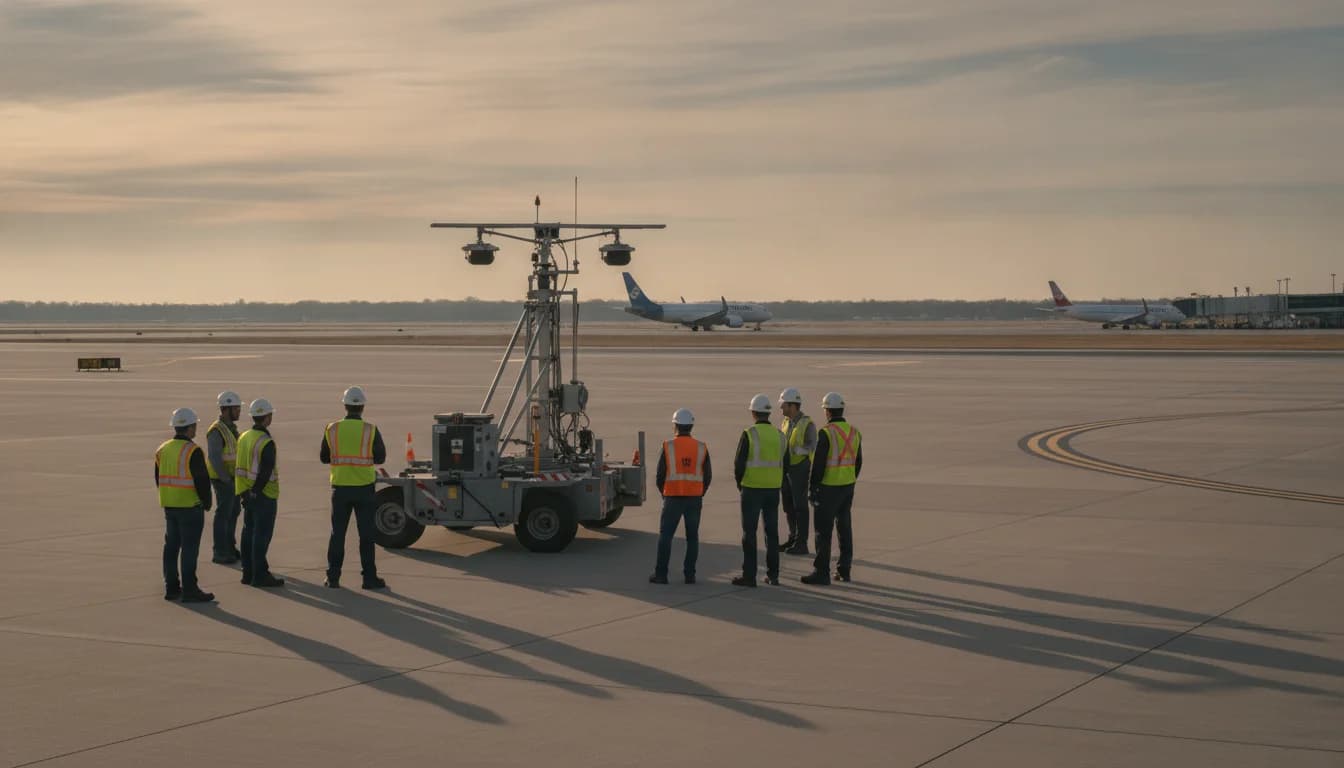
Massport Logan Runway Safety Phase 2 is moving forward at Boston Logan International Airport, with officials confirming start dates and the planned scope of work as part of ongoing safety upgrades at one of New England’s busiest airfields. On August 6, 2026, Massport released the formal notice that Phase 2 would commence at the end of August and continue through October, building on prior work to install an Engineered Materials Arresting System (EMAS) at the Runway 27 end. The project’s timing and details have ripple effects for travelers, airlines, and regional aviation operations, making it a data point for broader discussions about safe, resilient airports in a crowded airspace. Massport Logan Runway Safety Phase 2 is a high-profile example of how safety-focused infrastructure upgrades intersect with daily travel realities in a major metropolitan hub.
Phase 2 of the Runway Safety work at Logan is designed to extend the safety features added in the first phase, with a focus on EMAS deployment at the Runway 27 end. The FAA and Massport have long described EMAS as a mitigation technology that can stop an aircraft that overruns a runway, and the current work continues that safety objective in a challenging water-side environment. The formal timeline published by Massport and echoed by local outlets indicates that Runway 27 will be affected by closures and related operations during the Phase 2 window, intensifying the need for travelers and operators to plan ahead. The phased approach is part of a broader portfolio of RSA (Runway Safety Area) improvements at Logan as the airport works to align with FAA standards and MEPA-guided mitigation plans.
Opening momentum and the public-facing announcements around Phase 2 provide a lens into how Massachusetts authorities balance aviation safety with regional connectivity. The massport-led effort to install EMAS at Runway 27, including deck work over harbor waters, underscores a high-stakes engineering project at a site where safety and environmental stewardship meet (and sometimes test) the limits of urban infrastructure. As analysts and industry observers track the project, they are watching not only the safety gains but also the operational implications for runway usage, flight schedules, and passenger experience during the months of construction.
What Happened
Announcement and Timeline
Massport confirmed on August 6, 2026, that Phase 2 of Runway Safety work at Boston Logan would begin on August 31, 2026, and run for about 75 days. The press release situates Phase 2 as a continuation of the Engineered Materials Arresting System (EMAS) installation at the Runway 27 end, a continuation that mirrors prior safety upgrades undertaken at Logan. This start date and duration framing are echoed by local coverage that highlights the temporary runway closure and the need for continuous safety improvements at Logan. The Massport announcement, coupled with local reporting, provides the core timeline that stakeholders are using to calibrate flight operations and passenger planning for the fall travel period. For a concise summary of the official timing and the rationale, see Massport’s press release and cross-referenced coverage from Boston outlets.
To anchor the official dates and the project’s scope in primary documents, Massport’s August 6, 2026 press release is the primary source of the Phase 2 start date and the project’s emphasis on EMAS deployment at Runway 27. The FAA’s contemporaneous construction-impact reporting also maps the overall window during which major RSA work is anticipated, including the Runway 27 end. The public-facing materials and regulatory notices together frame the official timeline and underscore the project’s safety-driven priorities as Logan undergoes phase-based upgrades.
Scope of Work and Engineering Context
Phase 2 continues the EMAS installation at the Runway 27 end, following the structure established in the foundational RSA upgrades at Logan. The EMAS system is designed to arrest overruns safely, with the harbor-side deck construction enabling EMAS deployment where the runway reaches the harbor boundary. The work is described in official planning materials and MEPA-related notices that accompany the Runway 27 RSA enhancements, including the deck structure and associated access ramps. The scope is described in primary planning documents and board materials that outline the engineering challenges of a marine-adjacent RSA project, the environmental mitigation steps, and the sequence of construction activities.
The FAA has documented, in a performance and construction context, the sequencing of RSA work at Logan, including Runway 27 end improvements, as part of its quarterly reporting on airport construction. This reporting is a primary data point for understanding where the project sits within a larger schedule of improvements at Logan, including coordination with MEPA processes and environmental mitigation commitments. These sources provide a technical frame for the work’s scope and the safety objectives that tie directly to EMAS deployment.
Operational Impacts and Local Response
With Phase 2 underway and Runway 27 primarily affected, travelers should expect temporary shifts in runway usage and potential delays during the construction window. Local outlets have highlighted the potential for flight delays and the need for travelers to monitor schedules closely during the phase, especially as the project progresses through September and October and approaches a November end date in connected planning materials. Airports and airlines typically implement congestion mitigation strategies during RSA work, including schedule adjustments, ground operations coordination, and enhanced communications with passengers.
The operational impact also includes a communications emphasis from Massport and FAA, with alerts and notices guiding travelers through the fall travel period. The project’s interaction with other terminal and airfield activities is part of a broader airport modernization narrative in the region, where safety, reliability, and capacity management converge during major infrastructure upgrades.
Why It Matters
Safety Gains and EMAS Significance
The Phase 2 work at Logan is part of a long-running safety upgrade program centered on EMAS deployment at Runway 27. EMAS systems are designed to reduce the severity of overruns, a critical safety provision for a highly utilized runway at a major international airport. The ongoing RSA improvements at Logan align with FAA safety requirements and MEPA-driven mitigation commitments, ensuring that Logan meets or exceeds safety standards during and after the construction window. The project’s emphasis on EMAS deployment reflects a broader national push to harden runway safety in proximity to harbor environments and other sensitive zones.
Economic and Accessibility Considerations
Logan’s role as a major gateway for New England means that runway safety upgrades—while essential for long-term resilience—have near-term implications for airlines, freight, and passenger mobility. Phase 2’s timeline and the associated runway constraints influence flight schedules, gate usage, and terminal operations, which in turn affect regional travel demand, tourism, and business travel. The surrounding communities and stakeholders are watching the trade-offs between safety enhancements and the short-term travel delays that can accompany major infrastructure projects.
Regulatory and Community Context
The Phase 2 activity sits within a web of regulatory oversight, MEPA filings, and FAA safety standards. The MEPA process and associated public notices help ensure that the project’s environmental and community impacts are addressed with appropriate mitigations. FAA quarterly reporting and safety notices provide ongoing oversight of the construction schedule and its alignment with safety objectives. The combination of regulatory frameworks and agency coordination illustrates how a high-profile infrastructure upgrade is managed transparently in a densely populated, highly connected transportation corridor.
Stakeholder Perspectives
Airport stakeholders—including Massport, FAA, airline partners, labor representatives, and traveler advocacy groups—are weighing the safe completion of RSA improvements against the operational realities of sustaining a busy international gateway during construction. Neutral, data-driven analysis emphasizes that safety improvements, when well-managed, support long-term reliability and capacity growth, even as they introduce temporary operational pressures. The conversations around Phase 2 reflect a broader industry pattern: major safety upgrades require careful scheduling, stakeholder communication, and contingency planning to minimize disruption while maximizing protective benefits.
What's Next
Milestones and Monitoring
The immediate milestone is the ongoing Phase 2 work at Runway 27, with EMAS deployment continuing through the planned window and monitoring by Massport and FAA teams. Airports typically implement continuous safety and performance monitoring during RSA upgrades, including inspections, performance checks of EMAS components, and real-time communications with air carriers about runway status. The MEPA and environmental mitigation oversight continue in parallel, ensuring that the harbor-side work complies with regulatory conditions and minimizes ecological disruption.
Schedule Adherence and Contingency Planning
As Phase 2 progresses, the schedule will be cross-checked against weather conditions, harbor-related constraints, and the need to maintain essential airfield operations. Massport and partnering agencies typically issue regular updates and alerts to reflect any schedule changes, ensuring airlines and travelers can adjust with as much notice as possible. The interplay between EMAS-related construction and daily airport operations is sensitive to weather, tides, and local environmental conditions, which adds a layer of complexity to maintaining schedule integrity through the fall season.
What to Watch For
Key indicators to watch include: (1) any changes to runway availability and closure windows, (2) the cadence of EMAS-related construction milestones and their impact on taxiways and safety zones, (3) updates to traveler advisories and airline coordination notices, and (4) MEPA-related environmental mitigation updates and any corresponding adjustments to the project scope or timeline. As Phase 2 nears its expected completion, stakeholders will be evaluating safety outcomes, potential efficiency gains, and the overall resilience of Logan’s airfield infrastructure.
Closing
The Massport Logan Runway Safety Phase 2 project represents a pivotal moment in Boston’s aviation safety architecture. By continuing EMAS installation at Runway 27 and coordinating closely with FAA oversight and MEPA compliance, the project seeks to reduce the risk of overruns and to bolster Logan’s capacity to handle peak traffic safely. For passengers and travelers, the practical takeaway is to stay informed through Massport notices and airport alerts as the Fall 2026 window unfolds. The news around Phase 2 is not just about a single runway or a limited timeframe; it signals a broader commitment to safe, reliable air travel in a region where millions depend on Logan for business, education, and connection to the rest of the world.
Daily Bostonian will continue to monitor official updates, airfield operations, and traveler experiences as Phase 2 progresses. For readers seeking primary sources, Massport’s press materials and FAA construction notices provide foundational documentation, while local reporting helps translate those technical details into actionable information for travelers and stakeholders. The path to safer air travel at Logan is incremental, data-driven, and closely watched by communities that rely on the airport as a central piece of the region’s economy and everyday mobility.
About the author
Terrence Boyle
Terrence Boyle covers housing, transit and the regional economy for Daily Bostonian, from the MBTA and development fights to the employers driving growth around Boston.