News
Wentworth Institute Announces First-Year Tower Bond
Wentworth Institute of Technology will finance its First-Year Tower, an 18-story dormitory for 972 students, with a MassDevelopment bond, set to break…
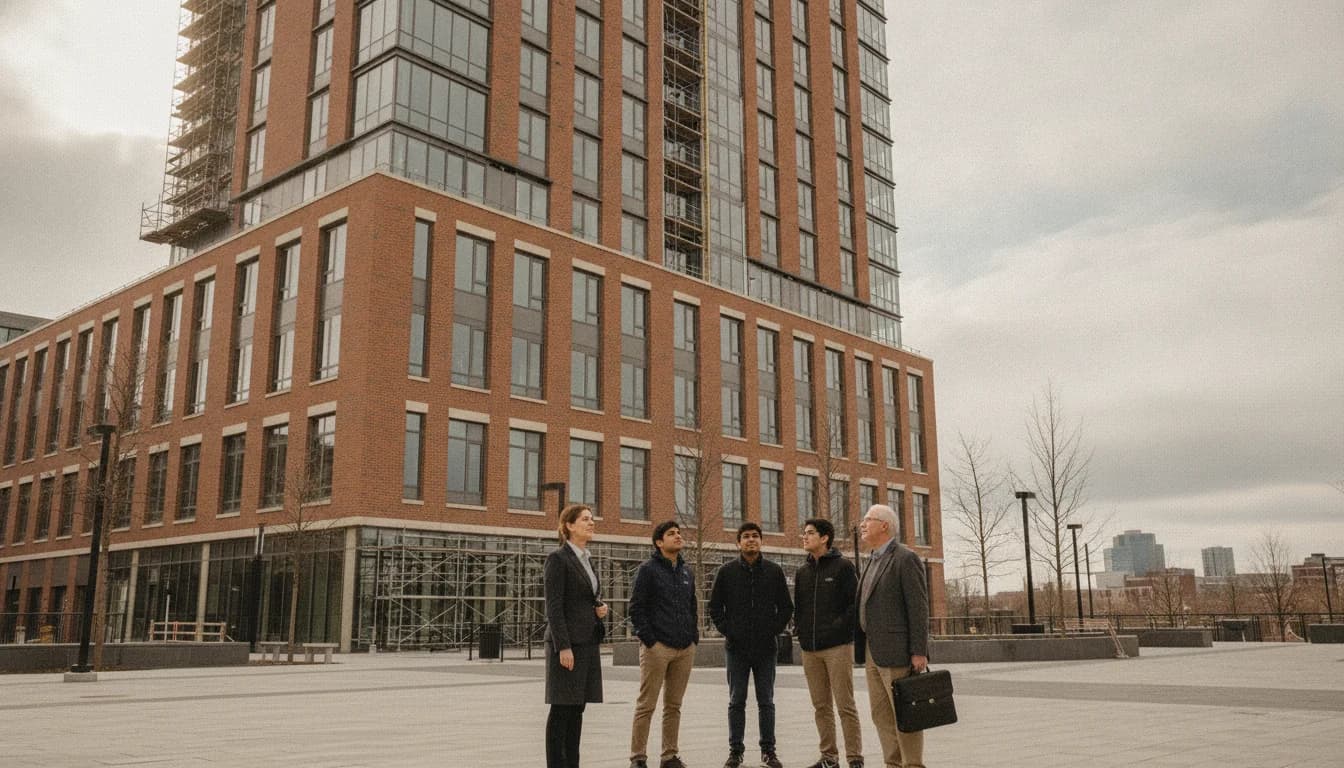
On July 22, 2026, Wentworth Institute of Technology announced that its First-Year Tower, an 18-story, 202,000-square-foot dormitory for 972 students, will be financed with a MassDevelopment bond, with groundbreaking scheduled for September 17, 2026. This news marks a pivotal moment for Wentworth’s student housing strategy and campus growth, signaling a significant step in bringing the entire first-year class together under one residence hall for the first time in the university’s history. The announcement was issued by Wentworth and subsequently shared with broader industry and local reporters, highlighting a $200 million investment in campus housing and infrastructure. The central financing mechanism—a MassDevelopment bond—frames the project within Massachusetts’ public-private financing ecosystem and reflects Wentworth’s ongoing effort to modernize and expand its residential capacity. [A Home for Every First-Year Student: New Tower Rises at the Heart of Campus] (wit.edu)
The First-Year Tower project, described in Wentworth’s release as the centerpiece of a broader 10-year Institutional Master Plan, is designed to consolidate Wentworth’s first-year housing on campus and ease pressure on surrounding housing markets in Boston’s Mission Hill area. The press release also emphasizes the tower’s all-electric, energy-efficient design and its status as a flagship example of the university’s commitment to sustainability and student success. By connecting residential life more tightly to academic and social programming, Wentworth frames the project as a strategic investment in retention, engagement, and long-term cost discipline for student housing. The plan envisions housing 75 percent of Wentworth’s students on campus within the next decade, with the First-Year Tower playing a critical role in achieving that target. The project’s living-learning design includes public-facing ground-floor spaces, dining, and lounges that are intended to serve both residents and the wider campus community. [A Home for Every First-Year Student: New Tower Rises at the Heart of Campus] (wit.edu)
Section 1: What Happened
Announcement Details
- Wentworth Institute of Technology publicly disclosed the First-Year Tower project in a July 22, 2026 press release, confirming the tower’s basic parameters: an 18-story, 202,000-square-foot residence hall designed to house 972 students on a site adjacent to the campus’s core. The press release explicitly ties the project to the university’s ongoing housing strategy and institutional master planning. The release also identifies the project as a major advancement in Wentworth’s capital program, highlighting the scale and ambition of housing all first-year students under one roof for the first time in the university’s history. Groundbreaking is scheduled for September 17, 2026. [A Home for Every First-Year Student: New Tower Rises at the Heart of Campus] (wit.edu)
Project Scope and Timeline
- Scope: The First-Year Tower is described as an 18-story dormitory totaling 202,000 square feet, with capacity for 972 beds. The design teamwork includes Perkins&Will as the architect, Balfour Beatty Campus Solutions as development partner, and BR+A Consulting Engineers alongside BOND Building Construction for delivery. The ground-level program is envisioned to open outward to the campus with mixed-use spaces that will serve residents and the broader Wentworth community. The official materials frame the tower as a living-learning hub intended to catalyze improved student outcomes through integrated housing, dining, lounges, and community spaces. Ground-level spaces will be complemented by centralized lounges on the upper floors to foster peer connections and collaborative learning experiences. [A Home for Every First-Year Student: New Tower Rises at the Heart of Campus] (wit.edu)
- Timeline: Occupancy for the First-Year Tower is targeted for August 2028, with groundbreaking scheduled for September 17, 2026. The Wentworth release positions the project as the largest capital build in the university’s history and a centerpiece of its Institutional Master Plan. The press materials also note that the project sits at the heart of a broader effort to increase on-campus housing capacity to roughly 1,400 beds across the master plan period. [A Home for Every First-Year Student: New Tower Rises at the Heart of Campus] (wit.edu)
Financing Structure
Financing Mechanism: The press release states that the $200 million development is financed through a bond secured from MassDevelopment in July, marking a notable example of using state-supported bond financing to support private-public campus development. The release frames the financing as a strategic tool to deliver a high-performance, all-electric building aligned with Passive House standards and long-term operating cost discipline. The explicit mention of a MassDevelopment-backed bond situates the project within Massachusetts’ bond-financing ecosystem for higher education housing. Groundbreaking and financing are presented together as synchronized milestones that propel the campus expansion forward. [A Home for Every First-Year Student: New Tower Rises at the Heart of Campus] (wit.edu)
Project Partners and Delivery Model: The Wentworth materials outline a delivery model that partnerships with private developers and industry firms, with BOND Building Construction handling construction, Perkins&Will providing design, and BR+A Consulting Engineers providing engineering services. The collaboration is described as a “delivery model that allowed the university to move from design to groundbreaking at a pace few campus projects achieve.” This illustrates Wentworth’s approach to accelerate infrastructure projects through coordinated public-private collaboration. The press release also features quotes from university and industry leaders underscoring the strategic importance of the project for the campus and neighborhood. [A Home for Every First-Year Student: New Tower Rises at the Heart of Campus] (wit.edu)
Section 2: Why It Matters
Campus Housing and Student Experience
Consolidating the entire first-year class under one roof is presented as a catalytic move for student onboarding. The First-Year Tower is designed not only to provide a bed count but also to reframe the first-year experience around intentional living-learning communities. The press release highlights the tower’s ground-floor programs as a hub for dining, lounges, and social spaces that connect residents to academic life and to the wider campus and city ecosystem. The university’s leadership emphasizes that the tower is a tangible expression of Wentworth’s commitment to ensuring students start strong, stay connected, and build community from day one. A series of quotes in the release reinforces that narrative, including remarks from President Mark A. Thompson and senior administrators who frame housing as a core lever for student success. [A Home for Every First-Year Student: New Tower Rises at the Heart of Campus] (wit.edu)
On-Campus Housing and Retention Goals: Wentworth positions the First-Year Tower as central to its ambition to raise on-campus housing from a mix of existing and reimagined facilities to a level where about three-quarters of students can be housed on campus within the next decade. The press materials reference the 75 percent target as part of the university’s long-range Institutional Master Plan, underscoring the link between housing capacity, student retention, and campus life. This framing aligns with broader higher-education trends that tie housing quality and proximity to student engagement and success metrics. [A Home for Every First-Year Student: New Tower Rises at the Heart of Campus] (wit.edu)
Sustainability and Energy Performance: The First-Year Tower is described as an all-electric building designed to meet high-performance energy standards, with a Passive House-inspired envelope and other sustainability measures. The emphasis on energy efficiency is positioned as a long-term cost of ownership and environmental benefit, a point that resonates with ongoing cost containment and climate goals across university campuses. The press release connects sustainability with student well-being and operational resilience, framing the project as both environmentally responsible and financially prudent. [A Home for Every First-Year Student: New Tower Rises at the Heart of Campus] (wit.edu)
Neighborhood and City Context
- Local Impacts and City Partnerships: The project’s location in the Heart of campus corridor and its scale have direct implications for the Mission Hill neighborhood, including potential changes in housing supply dynamics, traffic, pedestrian patterns, and local services. The press materials indicate that the tower sits on a central campus site and is integrated into Wentworth’s broader relationship with Boston and its neighborhoods. Public planning channels and local development conversations are cited in media coverage as part of the project’s broader urban context. The Banker & Tradesman reporting on Wentworth’s dorm tower in Mission Hill (though focused on a related planning milestone) corroborates that this project is part of a larger neighborhood development discourse, reflecting both opportunities and considerations for the surrounding community. [BPDA Approves Wentworth Dorm Tower in Mission Hill] (bankerandtradesman.com)
Institutional Master Plan and Financing Context
Ten-Year Plan and Beds Growth: Wentworth’s announcement situates the First-Year Tower within the university’s ten-year Institutional Master Plan, which contemplates the addition of approximately 1,400 beds across new and reimagined housing. This plan’s strategic intent is to capture a larger share of residential life on campus, aligning with a trend in higher education to reduce off-campus housing reliance and strengthen on-campus communities. The press release notes occupancy targets and the pace of project delivery as integral pieces of that plan. [A Home for Every First-Year Student: New Tower Rises at the Heart of Campus] (wit.edu)
Financing and Governance Signals: By publicly tying the First-Year Tower to a MassDevelopment bond, Wentworth’s leadership signals a shift toward leveraging state-supported financing for large-scale, mission-critical campus infrastructure. The use of a bond instrument—paired with an accelerated project timeline and public-private delivery—illustrates a financing approach increasingly considered by private universities when pursuing major capital projects. The press release’s language about the bond and the project’s $200 million scale is an explicit reminder of how portfolio-level capital strategies interact with campus growth. [A Home for Every First-Year Student: New Tower Rises at the Heart of Campus] (wit.edu)
What the Data Says About Broader Trends
All-Electric, High-Performance Housing: The First-Year Tower’s emphasis on all-electric systems and Passive House-inspired design aligns with a broader university trend toward sustainability-focused buildings that reduce energy intensity and long-term operating costs. In higher education, energy efficiency programs and advanced envelope design have become critical differentiators in new construction, enabling more predictable lifecycle costs and improved indoor environmental quality for students. The Wentworth release frames these features not only as environmental benefits but also as tangible long-term savings and comfort enhancements for residents. [A Home for Every First-Year Student: New Tower Rises at the Heart of Campus] (wit.edu)
Student Experience as a Strategic KPI: The emphasis on creating a living-learning environment—from ground-floor dining to upper-floor lounges—reflects a broader industry push to design dormitory spaces that actively support academic success, social integration, and well-being. The press release’s quotes from senior university leaders highlight the belief that housing design can influence retention, engagement, and student outcomes, a claim consistent with research and practice in higher education facilities planning. The tower’s “living classroom” concept and its integration with programmatic spaces illustrate how design is being used as a strategic lever for student development. [A Home for Every First-Year Student: New Tower Rises at the Heart of Campus] (wit.edu)
Section 3: What’s Next
Milestones and Next Steps
Groundbreaking and Construction Schedule: The Wentworth materials confirm a groundbreaking ceremony set for September 17, 2026, with occupancy anticipated in August 2028. The timeline reflects a two-year construction horizon for a complex, mixed-use residence hall of this scale, underscoring the university’s capacity to execute large capital programs on a tight schedule. The press release also notes that a ground-level program will connect directly to campus life, with the upper residential floors delivering 972 beds in total. The Tradeline piece corroborates the same timeline and indicates the project is moving forward as part of Wentworth’s strategic housing push. [A Home for Every First-Year Student: New Tower Rises at the Heart of Campus; Wentworth Institute of Technology Plans Boston Residence Hall] (wit.edu)
Neighborhood and City Engagement: Wentworth’s press materials frame the First-Year Tower as a city-facing project with community benefits, including new pedestrian corridors and bike infrastructure in the surrounding area. These elements will be advanced through ongoing public planning dialogues, PILOT agreements, and related community benefits commitments. Local press coverage from early 2026 indicates a broad interest in how the dormitory project interacts with the neighborhood’s housing market and infrastructure. As the September groundbreaking approaches, city and campus officials will continue coordinating on mitigations, traffic plans, and community benefits. [BPDA Approves Wentworth Dorm Tower in Mission Hill] (bankerandtradesman.com)
Communications and Updates: Wentworth states that regular construction and project updates will be shared on the project website, a practice increasingly used by universities to maintain transparency and bolster stakeholder engagement during long construction programs. The project’s official channel provides residents, families, faculty, and neighbors with ongoing progress reports, schedules, and milestones. [A Home for Every First-Year Student: New Tower Rises at the Heart of Campus] (wit.edu)
Strategic Outcomes to Watch: In the coming 12–24 months, watchers should monitor: (1) the progression of groundbreaking events on September 17, 2026; (2) changes in on-campus housing capacity as occupancy begins in 2028; (3) the evolving relationship with the City of Boston regarding PILOT payments and neighborhood benefits; and (4) the broader evolution of Wentworth’s Institutional Master Plan as it relates to the 1,400-bed expansion and the goal of housing roughly 75 percent of students on campus. The Wentworth press release frames these outcomes as connected, meaning that early milestones (like groundbreaking) will be meaningful indicators of whether the university can realize its longer-term housing strategy. [A Home for Every First-Year Student: New Tower Rises at the Heart of Campus] (wit.edu)
Closing
The Wentworth Institute of Technology First-Year Tower represents a landmark milestone in campus expansion, housing strategy, and sustainability-focused design. By consolidating the entire first-year class within an 18-story, 972-bed residence hall and financing the project through a MassDevelopment bond, Wentworth positions itself at the intersection of academic excellence, student well-being, and urban campus viability. The project’s timeline—groundbreaking in September 2026 and occupancy in August 2028—provides a clear window into how the university intends to evolve its residential landscape while preserving the scale and pace necessary to deliver transformative infrastructure. As Wentworth moves from design to groundbreaking, the campus and its neighbors will be watching closely to see how this ambitious investment translates into student success, community benefits, and long-term operating performance.
For readers seeking ongoing updates, Wentworth’s project website and official press releases will serve as the primary channels for milestones, renderings, and detailed program information. Media observers and university stakeholders alike will want to track the unfolding construction activity, the progress of the PILOT and community benefits components, and the broader campus housing strategy as it continues to unfold in the coming years. [A Home for Every First-Year Student: New Tower Rises at the Heart of Campus] (wit.edu)
This article relies on Wentworth Institute of Technology’s July 22, 2026 press release for core project facts, including the First-Year Tower’s size, bed count, financing mechanism, and groundbreaking date. Additional context and timeline details are drawn from Tradeline’s August 14, 2026 coverage and Banker & Tradesman’s February 13, 2026 reporting on the project’s planning milestones. All numbers and dates cited reflect those sources and have not been independently verified beyond the referenced documents.
About the author
Daily Bostonian
Content writer for Daily Bostonian