News
MBTA Orange Line Shutdown: 11 Days of Upgrades
MBTA Orange Line shutdown details for 11 days in August 2026, highlighting the impact and changes for daily commuters and riders during upgrades.
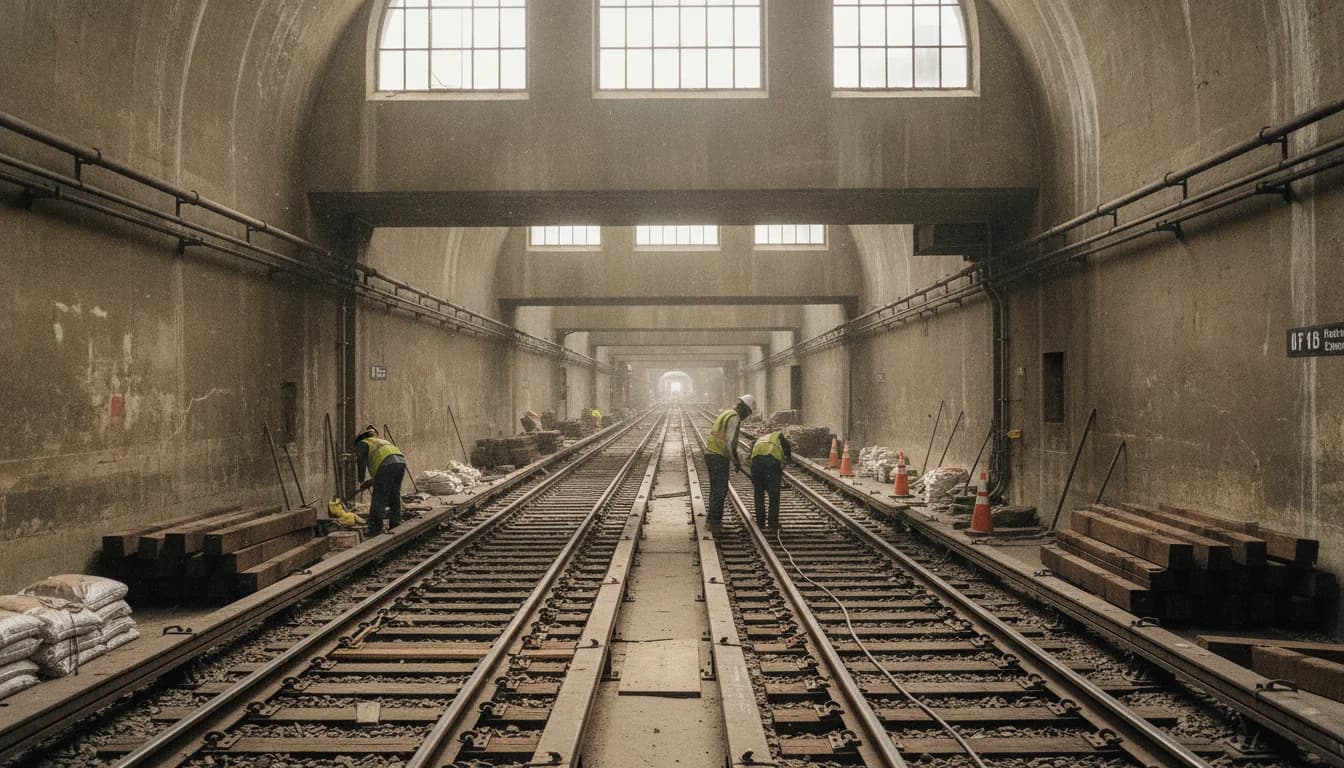
The MBTA Orange Line shutdown is a concerted effort to accelerate critical upgrades along Boston’s oldest subway corridor. MBTA officials have announced that Orange Line service will be suspended between Oak Grove and Back Bay for 11 consecutive days, from August 20 through August 30, 2026. This milestone closes a busy summer of system-wide work as the transit authority upgrades rail, signals, and related infrastructure to deliver faster, safer, and more reliable trips for riders. The announcement has set in motion a cross-agency effort to minimize disruption, including expanded Green Line service and a fleet of shuttle buses and commuter-rail alternatives for riders who would normally rely on the Orange Line for downtown access. The shift places a spotlight on the broader modernization push the MBTA is pursuing across multiple lines, where improvements now aim to pay off with longer-term reliability.
This 11-day shutdown marks the second major subway disruption this August as Green Line work and related projects unfold in the city. The timing follows a recent push to upgrade the region’s signaling system and track components, part of a broader program to reduce delays and improve safety. Transit officials say the goal is to complete several high-impact tasks in a single, coordinated window, so crews can synchronize rails, ties, insulators, and signal infrastructure in ways that would be far less efficient if performed piecemeal. Riders should expect alternative routes, elevated levels of service on parallel lines, and enhanced shuttle options designed to keep vital commutes moving during the work. The MBTA has stressed that the work is necessary to lay the groundwork for faster speeds, better train performance, and improved accessibility along the corridor. According to MBTA communications reported by major outlets, the Orange Line shutdown will be handled with a mix of bus shuttles, fare-free commuter rail connections, and enhanced Green Line service to buffer the impact on daily travel. (boston.com)
What Happened
Scope of the Shutdown
The recent decision to suspend Orange Line operations between Oak Grove and Back Bay for 11 days is a focused response to aging infrastructure and the need for a more reliable signaling system. The shutdown is planned to cover August 20–30, 2026, during which time crews will execute a suite of tracks and signals upgrades, along with station and system-wide improvements. This scope reflects the MBTA’s strategy to maximize efficiency by concentrating work in a single, continuous window rather than pursuing fragmented, weekend-only work. Multiple outlets have framed the announcement as a peak moment in a broader modernization effort across the MBTA network. The key fact driving public attention is the 11-day duration and the specific corridor affected: Oak Grove to Back Bay. (boston.com)
Timeline and Key Facts
- Start date: August 20, 2026 (Thursday)
- End date: August 30, 2026 (Sunday)
- Affected corridor: Orange Line between Oak Grove and Back Bay
- Primary purpose: Track and signal upgrades, along with collateral improvements to stations and related infrastructure
- Official framing: The shutdown is part of a broader sequence of modernization work the MBTA is carrying out to deliver faster, safer, and more reliable service over the long run. (boston.com)
During the shutdown period, the MBTA has laid out several concrete accommodations to preserve mobility. Free and accessible shuttle buses will operate between Oak Grove and North Station, with express services stopping at key transfer points such as Malden Center, Wellington, and North Station. In addition, fare-free Commuter Rail service will be available between Oak Grove and North Station via the Haverhill Line, which also stops at Malden Center. For trips that would ordinarily cross downtown on the Orange Line, riders are encouraged to use parallel Green Line service between North Station and Copley. These options are designed to maintain a workable level of throughput for commuters while the Orange Line corridor undergoes essential modernization. The MBTA has urged riders to check the latest T-Alerts for real-time updates and to anticipate delays when planning trips. (boston.com)
Operations During the Shutdown
The 11-day window is structured to accommodate several overlapping projects in the corridor, including rail renewal, signal relocations, and the installation of new signaling hardware within signal houses. Maintenance crews will replace rails, fasteners, ties, plates, and insulators, and will undertake tamping alongside platform and drainage work to ensure a more stable foundation for the upgraded system. The work schedule, as described by the MBTA and captured by local outlets, emphasizes a multi-day, around-the-clock approach to maximize productivity and minimize long-term service interruptions. The plan to operate shuttle buses and provide a commuter-rail option reflects a deliberate effort to balance safety improvements with practical alternatives for riders. Extra Green Line trains are expected to supplement Orange Line riders during the shutdown, which should help maintain access to downtown and North Station while the track work proceeds. (boston.com)
Economic and mobility analysts note that the disruption is a classic example of the “closure for modernization” approach, where short-term pain is weighed against longer-term gains in reliability and travel time. In the context of a city that relies heavily on rapid transit for commutes, students, and economic activity, the 11-day Orange Line shutdown highlights the tension between urgent infrastructure upgrades and the need for steady, predictable transportation options. The temporary changes—shuttles, free commuter rail connections, and enhanced Green Line service—are designed to limit loss of productivity and to help riders plan around the disruption. (wbur.org)
Why It Matters
Impact on Riders and Commutes
The MBTA Orange Line shutdown creates a measurable disruption for tens of thousands of daily riders who depend on a fast trunk route through downtown Boston. The immediate impact is longer travel times for those who would normally ride the Orange Line, as they switch to alternative modes and navigate new transfer points. Transit coverage and contingency plans are being rolled out to address peak-period strain and to minimize crowding on parallel routes. The T has emphasized that the Green Line and Commuter Rail options will act as the primary buffers during the 11-day window, with shuttle services designed to keep riders moving with minimal detours. News outlets covering the shutdown have documented the practical consequences for commuting patterns and the need for riders to budget extra time and plan alternative routes. (wbur.org)
From a public-safety and reliability perspective, the upgrade work targets critical gaps in the corridor’s signaling and track stability. Modern signaling typically yields more reliable headways and fewer unplanned delays, which in turn enhances safety and predictability for riders. The MBTA and transportation researchers alike view such investments as essential for scaling service to rising demand while stabilizing performance in the short term. The current 11-day shutdown is a deliberate and targeted step in that broader modernization trajectory. (boston.com)
Equity, Accessibility, and Local Economy
Accessibility remains a core consideration during major closures. To accommodate riders with mobility needs, the MBTA’s shuttle plan includes accessible bus routes and extended service where feasible. In addition, the commuter-rail option is designed to offer a language of travel that can help riders move across neighborhoods without relying exclusively on the Orange Line. Local businesses near affected stations may experience short-term fluctuations in foot traffic, but the MBTA and partner agencies have been coordinating messages to help customers anticipate service changes and identify alternative routes. The broader economic impact hinges on how well passengers can adapt to the temporary changes and how effectively the transit network reroutes traffic through adjacent lines. (boston.com)
Broader Context: The Ongoing Modernization Effort
The August 2026 shutdown is part of a sustained push to upgrade the MBTA’s backbone infrastructure. The corridor’s new signaling technology and track upgrades are designed to yield tangible improvements in travel times and reliability once the work is complete. The Green Line, Red Line, and other upgrades across the system have highlighted a pattern: the MBTA is using scheduled closures to accelerate modernization in a way that minimizes the risk of protracted, piecemeal outages. The August shutdown provides a lens into how the MBTA is approaching modernization in a way that attempts to balance rider experience with the imperative to modernize critical systems. (boston.com)
What’s Next
Timeline for Additional Work
Riders should be aware that the August 11-day Orange Line shutdown is not the end of the season for major work. The MBTA has signaled additional infrastructure projects along the network, including a separate, smaller window later in September for Ruggles Station improvements and related track work. The City of Boston and MBTA communications indicate a forthcoming 5-day shutdown between September 10 and 14 to continue advancing the Ruggles Station Improvements Project. This is coordinated with ongoing Green Line work and other modernization initiatives to minimize overall disruption while delivering the next phase of infrastructure improvements. Transit officials emphasize the need for continued vigilance and planning as the system enters another wave of upgrades. (boston.gov)
What Riders Should Watch For
- Real-time updates: The MBTA’s alerts page and official X (formerly Twitter) account will be the primary channels for service advisories, detours, and shuttle routes during and after the shutdown. Riders should subscribe to notices for immediate changes, especially if weather or unforeseen issues affect the planned work window. (boston.com)
- Transfer points and buffers: Expect longer transfers and potential crowding at transfer nodes where riders shift from the Orange Line to the Green Line or to bus routes operating as part of the detour network. The MBTA’s planning documents emphasize that shuttles and parallel-line service will be used to cushion the transition. (boston.com)
- Accessibility considerations: The MBTA has stressed accessibility in its field notes, including accessible shuttle buses and alternative transit options for riders with mobility needs. People who rely on accessible services should verify the availability of accessible shuttles and to check schedules for the closest transfer points. (boston.com)
- Economic and community impacts: Local business leaders and community organizations will be watching the economic ripple effects of the shutdown, especially along corridors with heavy foot traffic from universities, hospitals, and downtown employers. While the long-term gains in reliability are the overarching objective, the short-term economic adjustments will shape public sentiment and policy debate about future maintenance windows. (wbur.org)
As the August window unfolds, the MBTA and partner agencies will continue to publish updates about the Orange Line’s progress and any changes to the plan. The agency’s approach to this shutdown—combining bus shuttles, fare-free commuter rail options, and enhanced Green Line service—reflects a broader strategy to maintain mobility and minimize disruption while delivering a modernized, safer, and more reliable transit experience for riders in the months and years ahead. The August shutdown is not just a temporary pause in service; it is a capital investment in the city’s transit future, aimed at speeding commutes and strengthening the resilience of Boston’s transportation network. (boston.com)
Contextual Note: The Bigger Picture of MBTA Modernization
The August shutdown sits within a larger arc of MBTA modernization efforts that have included signal upgrades, track improvements, platform enhancements, and accessibility investments across multiple lines. While the Orange Line closure temporarily affects a central commuting spine, it serves as a case study in how large-scale infrastructure projects can be staged to deliver durable improvements. Beyond August, planners are watching lessons learned from this shutdown to inform future maintenance calendars, rider communication tactics, and operational resilience—an ongoing process that aims to reduce the frequency and duration of service interruptions over time. Analysts will continue to monitor how this approach affects reliability metrics, rider satisfaction, and the broader regional economy as projects across the MBTA network progress. (boston.com)
Closing
The 11-day Orange Line shutdown in August 2026 is a clear signal that Boston’s transit system is actively investing in its future. For riders, the period demands careful planning and use of alternate routes, but it also offers a tangible step toward a faster, safer, and more reliable Orange Line when the work is complete. The MBTA’s staffing, shuttle operations, and cross-line coordination reflect a measured approach to a complex modernization agenda. As the summer of 2026 continues, daily commuters, students, hospital workers, and downtown residents can rely on updated guidance from MBTA alerts and local news outlets to navigate this significant infrastructure upgrade with as little disruption as possible.
Viewpoints from city officials, transit riders, and business leaders will continue to shape how Boston experiences the ripples of this modernization effort. In the meantime, keeping an eye on the MBTA’s live updates and planning ahead will be essential for anyone whose routine depends on the Orange Line or the network’s other corridors.
— Daily Bostonian will continue to monitor the MBTA Orange Line shutdown and provide ongoing analysis as new details emerge, with updates on routes, timing, and service changes as the project progresses.
About the author
Eleanor Whitcomb
Eleanor Whitcomb is the editor of Daily Bostonian. She has covered Boston City Hall and the State House, and edits the paper's daily report.