News
Massport Runway Safety Phase 2 Moves at Logan
Massport's Runway Safety Phase 2 initiates at Logan Airport, marking a significant safety enhancement with a temporary runway closure in effect.
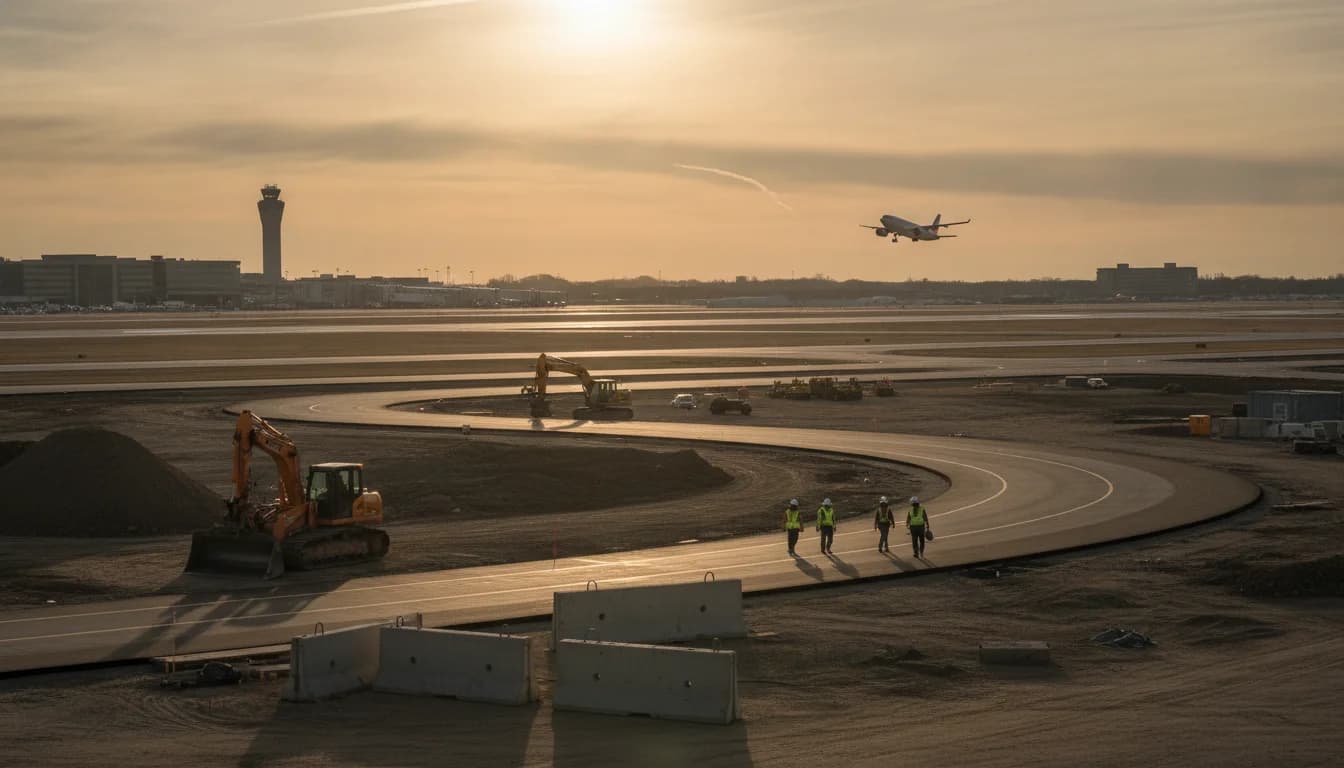
Massport has launched Phase 2 of its Runway Safety Work at Boston Logan International Airport, signaling a major safety upgrade for one of New England’s busiest airfields. The project, part of Logan’s ongoing Runway Safety Area improvements, will close Runway 9/27 for a defined period as crews install the Engineered Material Arresting System (EMAS) and construct a supporting deck over Boston Harbor. Massport announced the plan on August 6, 2026, with work slated to begin August 31, 2026 and last for about 75 days, according to Massport and corroborated by federal aviation planning documents. The project is designed to enhance safety for landings and overruns, a priority echoed by airport operators nationwide. (acquia.massport.com)
Local observers and travelers are watching closely because the Phase 2 work will temporarily reduce Logan’s runway capacity and shift operations onto the remaining runways. The timeline and scope come as part of a broader, FAA-audited construction outlook that maps a multi-month period of disrupted configurations, with Runway 9/27 expected to be unavailable during the 75-day window. The FAA’s quarterly Airport Construction Outlook for Q2 2026 explicitly notes the 08/31/2026 to 11/15/2026 window for Phase 2 and the associated capacity impact, reinforcing the formal planning behind the Massport-announced schedule. (faa.gov)
Opening
Massport announced on August 6, 2026 that Phase 2 would close Runway 9/27 for 75 days beginning August 31, 2026, to complete EMAS installation at Logan, with FAA documents showing a closure window of 08/31/2026 to 11/15/2026. This information comes from both Massport’s formal release and the FAA’s Q2 2026 Airport Construction Outlook, which together frame the official start date and duration of the period during which Runway 9/27 will be unavailable. The project continues the safety upgrades undertaken in Phase 1 and adds a deck to support the EMAS installation, a design element that will extend partially over the water. (acquia.massport.com)
In reporting on the plan, local outlets have highlighted real-world implications for travelers and communities nearby. Boston.com’s coverage on August 10, 2026, notes that the phased shutdown could translate into increased delays and shifts in flight patterns as Logan reduces capacity during the construction window, and that the work will alter air traffic distributions over neighboring communities. The piece also confirms that the mass shutdown is tied to the EMAS installation and the deck construction over the harbor, a signature feature of Phase 2. (boston.com)
Section 1: What Happened
Phase 2 Kickoff and Runway Closure
Official Announcement and Start Date
Massport publicly announced the Phase 2 push on August 6, 2026, stating that Runway 9/27 would be closed to accommodate construction beginning August 31, 2026. The closure is planned for approximately 75 days, aligning with the FAA’s midterm construction outlook for Logan. This schedule was designed to maintain safety while delivering the next stage of the Runway Safety Area improvements. The official date, duration, and scope are documented in the Massport release and reinforced by the FAA’s quarterly report. (acquia.massport.com)
The Duration and Scope
The Massport release makes clear that the Runway 9/27 closure will last about 75 days, a duration reiterated in the FAA’s Q2 2026 Airport Construction Outlook, which specifies 08/31/2026 to 11/15/2026 as the Phase 2 window. This alignment between a state authority and the federal planning document adds credibility to the timeline and helps airlines and travelers plan accordingly. In practical terms, the shutdown reduces Logan’s runway capacity during the period, prompting operational adjustments and traffic shifts to other runways. (acquia.massport.com)
Engineering Work and Safety Upgrades
Phase 2 centers on continuing the 27 RSA (Runway Safety Area) improvements by extending a pile-supported deck for the EMAS installation at the Runway 27 end and by reinforcing the safety architecture that Logan has pursued for several years. The project builds on work completed in the prior phase and adds the safety decking, a key component of the Engineered Materials Arresting System effort designed to halt overruns with a crushable, energy-absorbing material. This physical upgrade is intended to bolster protection for aircraft and passengers, especially given Logan’s proximity to water and urban infrastructure. The plan is described in Massport communications and is echoed in the FAA’s construction outlook. (boston.com)
EMAS Installation and Deck Construction
What EMAS Is and Why It Matters
Engineered Materials Arresting Systems (EMAS) are specialized blocks placed at the end of runways to safely stop aircraft that overrun the runway. Logan already operates EMAS at Runways 22R and 33L ends, and the Phase 2 work extends this safety infrastructure to the Runway 27 end. The EMAS concept is widely used at airports with constrained space beyond the runway and is a central feature of Logan’s ongoing RSA improvements. Massport emphasizes EMAS as a proven safety mechanism in its communications and in FAA materials. (faa.gov)
Deck Construction and Over-Water Engineering
In addition to EMAS installation, Phase 2 includes constructing a deck to support the new safety system, with portions extending over the water. This design choice addresses site-specific constraints around Logan and aims to ensure a durable, long-lasting safety solution. The deck work is described in Massport communications and further illustrated by local reporting on the project’s scope. (boston.com)
Timeline and Operational Impacts
Capacity Effects and Air Traffic Patterns
The FAA’s Q2 2026 Outlook notes that Phase 2 will require a continuous 75-day closure of Runway 9/27 (and thus the loss of RWY 9/27 capacity) and that configurations relying on RWY 9/27 will not be available during the period. The document maps how departures and arrivals would be redistributed among the remaining runways, with attendant changes in traffic patterns and potential delays during adverse weather or operational disruptions. This is a critical part of understanding the immediate effects on flight schedules and airport throughput. (faa.gov)
Community and Traveler Impacts
Local coverage emphasizes that the capacity reduction will manifest as delays or longer wait times for travelers, and it may elevate air traffic over surrounding communities during the closure window. The Massport plan recognizes these ripple effects and frames them as a necessary temporary trade-off to deliver a substantially safer airfield for years to come. The Boston.com report and related coverage highlight the practical implications for residents and for people traveling through Logan during late August into November 2026. (boston.com)
Section 2: Why It Matters
Safety Upgrades and Compliance
Strengthening Logan’s RSA Framework
Massport’s move to Phase 2 is part of a broader safety upgrade at Logan that aligns with FAA safety standards and the agency’s emphasis on runway safety areas. The EMAS installation at Runway 27 complements earlier RSA improvements and reinforces Logan’s overall safety posture in a high-traffic airport environment. The FAA’s construction outlook confirms that the RSA enhancements are being pursued in multiple phases, underscoring a coordinated national emphasis on runway safety. (faa.gov)
Implications for Safety and Public Confidence
From a safety and regulatory perspective, Phase 2 represents a concrete step toward reducing the risk profile associated with runway overruns, particularly at airports with constrained space and water boundaries. The combination of EMAS and a protective deck is designed to absorb energy and reduce the severity of incidents, a goal echoed across aviation safety literature and echoed by Massport officials in publicly available materials. While the construction period introduces temporary operational challenges, the long-term safety benefits are the intended outcome. (acquia.massport.com)
Capacity Impact and Community Effects
Operational Trade-Offs in a Busy Corridor
The shift in runway availability during Phase 2 will restructure Logan’s typical operations. The FAA’s analysis makes clear that with RWY 9/27 unavailable, certain configurations and flows will be constrained, which can translate to delays or re-sequencing of arrivals and departures. For neighboring communities around East Boston and beyond, the change in flight patterns during the closure period could result in observable changes in air traffic timing and volume. This is a predictable, short-term effect of the safety work that airport authorities and local media closely monitor. (faa.gov)
Economic and Traveler Considerations
While the primary objective is safety, the temporary reduction in capacity during Phase 2 also has economic and traveler implications. Airlines, freight operators, and passengers may experience schedule adjustments, particularly during weather disruptions when airport capacity is already stressed. Local businesses may see indirect effects through changes in traveler footfall and tourism-related activity during the late summer to early fall window. Massport and FAA materials underscore the need for coordinated scheduling and contingency planning to minimize disruption. (faa.gov)
Broader Context: Two-Phase RSA Upgrades at Logan
The Phase 1 Achievements and Phase 2 Objectives
Phase 1 of the RSA and EMAS improvements at Logan laid the groundwork for this next stage, with prior work completed in 2025 and continuing elements that feed into Phase 2. The multi-phase approach reflects a long-term plan to modernize Logan’s safety infrastructure while balancing the airport’s capacity needs during construction. Massport materials and FAA planning documents outline the phased approach and the rationale for staged execution to manage risk and minimize disruption where possible. (faa.gov)
Comparisons Across Airports
Logan’s approach—combining EMAS deployment with a protective deck over water at the runway end—parallels strategies used at other coastal or constrained-airfield environments, where safety upgrades must contend with limited space beyond the runway. Aviation safety literature and FAA guidance highlight EMAS as a standard tool in these contexts, and Logan’s project aligns with broader best practices. The combination of EMAS and structural support is a well-documented method for increasing safety margins where space is at a premium. (faa.gov)
Section 3: What’s Next
Completion and Handover
Anticipated Completion Timeline
According to the FAA’s Q2 2026 Outlook, Phase 2 is scheduled from August 31, 2026, to November 15, 2026, with the Runway 9/27 configuration unavailable for that period. Massport’s release confirms the 75-day duration and reiterates the aim to complete the portion of the project before Thanksgiving, reflecting a convergence of federal planning and state-level announcements. Airlines and travelers should monitor updated notices from Massport and their carriers for schedule changes tied to this window. (faa.gov)
Next Steps for Logan’s RSA Upgrades
With Phase 2 underway, attention will turn to finishing the EMAS deployment and deck work, followed by any necessary testing and validation to ensure the system meets safety standards. The overall RSA improvement program remains a long-term initiative, with subsequent phases likely addressing additional elements of Runway 27’s safety envelope and surrounding airfield infrastructure. Massport’s ongoing communications and the FAA’s construction outlook will serve as primary references for updates. (acquia.massport.com)
What to Watch For
Stakeholder Communications and Travel Advisories
As construction advances, Massport and the FAA are expected to issue routine updates on runway configurations, weather-related impacts, and any operational advisories that affect passengers and airlines. Travelers should anticipate potential delays during adverse weather and keep abreast of traffic advisories issued by Massport and air traffic control partners. Local media coverage will continue to track community impact and any shifts in flight patterns during the Phase 2 window. (boston.com)
Future Phases and Safety Milestones
Beyond Phase 2, the RSA upgrade program at Logan will likely progress through subsequent steps designed to enhance safety and reliability further. Readers should watch for official announcements from Massport and FAA publications that outline next phases, milestones, and any adjustments to schedules based on project progress. The Massport board materials and procurement notices provide insight into the agency’s ongoing planning and capital investments in Logan’s safety systems. (massport.com)
Closing
The Phase 2 Runway Safety Work at Boston Logan marks a significant safety milestone for a busy East Coast airport, marrying proven EMAS technology with structural enhancements to protect aircraft and passengers. While the temporary runway closure will alter operations for a period, the long-term safety improvements align Logan with rigorous national standards and best practices in runway safety. Massport and its aviation partners emphasize that the upgrade is essential to maintaining a resilient and safe airfield for travelers, crews, and communities alike. As the project unfolds, travelers should stay updated with Massport notices and carrier advisories to navigate the temporary changes smoothly.
References and primary sources for readers seeking more detail:
- Massport press release: Massport to Begin Phase 2 of Runway Safety Work at Boston Logan (August 6, 2026) detailing the 75-day Runway 9/27 closure beginning August 31, with EMAS deployment and deck construction. Descriptive anchor: Massport press release. (acquia.massport.com)
- FAA Q2 2026 Airport Construction Outlook: BOS entry confirming Phase 2, Runway 9/27 closure for 75 days from 08/31/2026 to 11/15/2026 and related capacity considerations. Descriptive anchor: FAA document. (faa.gov)
- Local coverage: Boston.com reporting on the August 10, 2026 timeline and potential delays during Phase 2, including the shift of traffic to remaining runways and the harbor-deck element of the project. Descriptive anchor: Boston.com article. (boston.com)
In the months ahead, Massport’s updates and FAA briefings will be key resources for tracking Phase 2 progress, anticipated schedule adherence, and the broader safety trajectory of Boston Logan’s aviation infrastructure.
About the author
Eleanor Whitcomb
Eleanor Whitcomb is the editor of Daily Bostonian. She has covered Boston City Hall and the State House, and edits the paper's daily report.