News
Dana-Farber Breaks Ground on New Cancer Hospital
Dana-Farber Cancer Institute commenced construction on the Lavine Bekenstein Cancer Hospital, a 450,000-square-foot facility with 300 beds, located on…
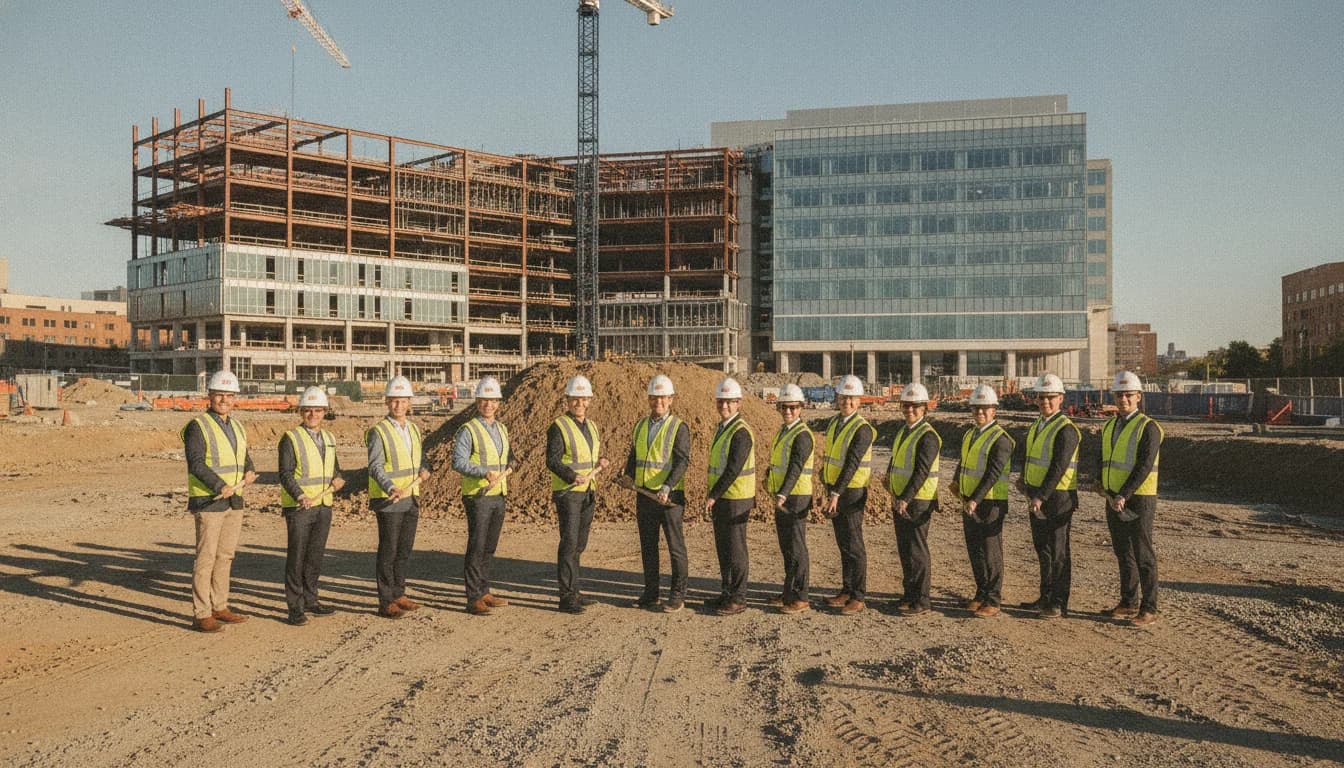
On October 19, 2026, Dana-Farber Cancer Institute broke ground on the Lavine Bekenstein Cancer Hospital, a 450,000-square-foot, 300-bed inpatient facility to be built on the Joslin Diabetes Center site along Brookline Avenue in Boston. This ceremonial milestone marks the formal start of construction for what Dana-Farber describes as the region’s only inpatient hospital dedicated exclusively to cancer care. The news, confirmed by Dana-Farber’s own release, positions Boston and the Longwood Medical Area to become a more integrated hub for cancer treatment, research, and education. The groundbreaking occurred in a ceremony that brought together state and local leaders, along with representatives from Beth Israel Deaconess Medical Center and affiliated health networks. Dana-Farber Breaks Ground on Lavine Bekenstein Cancer Hospital (dana-farber.org)
The event underscores a broader philanthropic and strategic commitment to expanding inpatient cancer care in New England. The Lavine and Bekenstein families provided the transformational gift that will fund the 450,000-square-foot facility, built to accommodate upcoming advances in oncology, from targeted therapies to personalized patient experiences. In Boston, officials emphasized that the project is a catalyst for regional collaboration, strengthening the Dana-Farber-BIDMC partnership and the balance of outpatient and inpatient cancer services on a connected campus. The ceremony was attended by Mayor Michelle Wu, Governor Maura Healey, and key health-system leaders, highlighting the project’s significance beyond a single hospital project. WBUR coverage of the groundbreaking and the donors’ role (wbur.org)
Section 1: What Happened
Groundbreaking Ceremony Details
The Lavine Bekenstein Cancer Hospital is being developed as a standalone inpatient cancer hospital in the Longwood Medical Area, on the site formerly occupied by Joslin Diabetes Center, adjacent to both Dana-Farber and BIDMC. Dana-Farber’s release confirms the project scope and site, emphasizing a campus designed to support not just treatment, but groundbreaking research and education in oncology. The press materials describe the hospital as a 450,000-square-foot facility with 300 inpatient beds spread across ten floors, purpose-built to adapt to rapid oncology advances. The ceremony itself drew officials from state and city government, the Dana-Farber-BIDMC leadership, and community supporters, highlighting the project’s broad regional significance. Dana-Farber Breaks Ground on Lavine Bekenstein Cancer Hospital (dana-farber.org)
The donor leadership behind the project is described as a transformational gift from the Lavine and Bekenstein families, the largest single donation in Dana-Farber history. The gift is framed as a catalyst for a new era in cancer care, enabling the hospital to focus exclusively on cancer patients and families across the continuum of care—from prevention and early detection to cutting-edge treatment and survivorship support. The donor narrative—and the hospital’s naming—signal a model of philanthropy that complements the institution’s research and clinical missions. For context on the gift and its significance, read Dana-Farber’s donor-focused communications and related coverage. Dana-Farber’s Largest Single Gift Advances Planned Cancer Hospital for New England (dana-farber.org)
Timeline and Construction Scope
Dana-Farber’s publicly posted construction timeline envisions a multi-year build, consistent with large oncology campuses. The project is described as a long-term capital initiative with construction activity anticipated to progress through the late 2020s, aligning with the organization’s broader Future Cancer Hospital program. The project’s construction phase is documented on Dana-Farber’s site as part of ongoing updates, including planning, regulatory approvals, and build-out milestones. For a broad view of construction progress and upcoming phases, see the construction updates portal. Future Cancer Hospital Construction Updates (dana-farber.org)
Independent coverage from local outlets corroborates the October 2026 groundbreaking date and the scale of the project. NBC Boston’s business desk notes that the ceremony took place on Monday, October 19, 2026, and highlighted the shift toward a more integrated cancer-care campus as a notable milestone. The same piece points to the collaboration with BIDMC and BLH (Beth Israel Lahey Health) as part of a broader regional strategy. NBC Boston coverage (nbcboston.com)
Leadership and Partnerships
The Lavine Bekenstein project is framed as a collaboration among Dana-Farber Cancer Institute, Beth Israel Deaconess Medical Center, and the Beth Israel Lahey Health system network, creating a more cohesive cancer-care ecosystem in Boston’s Longwood area. The arrangement is described in multiple official communications as a shared commitment to integrated care, research, and education. The Harvard-affiliated partners emphasize the proximity of inpatient, outpatient, and research spaces to accelerate bench-to-bedside translation. Dana-Farber-BIDMC Collaboration details (dana-farber.org)
The donor-led naming and funding narrative is central to the project’s identity. The Lavine and Bekenstein families’ philanthropy is repeatedly described as the largest gift in Dana-Farber’s history, underscoring how major philanthropic commitments are enabling a standalone cancer hospital with a dedicated mission. The public-facing materials from Dana-Farber highlight this philanthropy as foundational to the hospital’s design and capabilities. Lavine-Bekenstein gift context (dana-farber.org)
Section 2: Why It Matters
Regional Impact on Cancer Care
The Lavine Bekenstein Hospital represents a shift in the regional oncology landscape by dedicating an inpatient resource exclusively to cancer care. This specialization is expected to streamline inpatient pathways, reduce wait times for complex oncologic procedures, and support an enhanced patient experience from intake through discharge. The Dana-Farber release frames the hospital as a hub for integrated care that aligns with the institution’s bench-to-bedside research model, while observers note the potential for faster translation of research findings into clinical practice thanks to the campus adjacency and shared resources with BIDMC. The design emphasizes patient-centered spaces and adaptable clinical space to accommodate evolving oncology modalities. Dana-Farber press release on groundbreaking and integrated care goals (dana-farber.org)
In the broader market context, the project sits at the intersection of philanthropy, health-system integration, and technology-driven cancer treatment trends. Boston’s health ecosystem has long positioned itself as a leader in cancer research and patient care, and the Lavine Bekenstein project reinforces the trend toward purpose-built cancer hospitals that combine inpatient capacity with research facilities and outpatient connections. Local coverage points to the collaboration with BIDMC as a way to avoid duplication and to maximize clinical capacity and research synergies within the Longwood Medical Area. WBUR coverage of the regional significance and collaboration (wbur.org)
Implications for Patients, Providers, and Payers
For patients and families, the hospital promises a more streamlined, cancer-focused care journey, with dedicated spaces designed for oncology patients and families. Dana-Farber’s materials emphasize patient-centered design, including features tailored to the needs of people undergoing cancer treatment and their support networks. The focus on an integrated campus is intended to simplify patient navigation, coordinate outpatient and inpatient services, and potentially improve overall care experiences. The donor-driven naming also signals a long-term commitment to sustaining patient care and research. The hospital’s patient-centered design rationale (dana-farber.org)
From a market-analysis standpoint, the project underscores a continuing trend of large, donor-supported hospitals expanding specialized capabilities in cancer care. This trend has implications for regional competition, talent recruitment, and capacity planning among Boston-area health systems. Mergers and affiliations in the region, including the BIDMC collaboration, are part of a broader strategy to expand clinical capabilities without sacrificing research strength. Industry observers note that such campuses may influence payer negotiations, service utilization patterns, and patient access strategies as hospitals compete on outcomes, experience, and breadth of services. For context on the broader market dynamics and competition, industry coverage and hospital analyses provide complementary perspectives. Beckers Hospital Review analysis of the project’s scale and cost (beckershospitalreview.com)
The Role of Philanthropy in Healthcare Expansion
- The Lavine and Bekenstein families’ gift is described as the most significant donation in Dana-Farber’s history, enabling a 300-bed inpatient cancer hospital with the capacity to accommodate future treatments and research needs. This philanthropic model—philanthropy paired with clinical collaboration—illustrates how donor-led initiatives can accelerate large-scale capital projects in a tightly scheduled regulatory environment. Analysts and observers highlight that such gifts not only fund construction but also shape the strategic priorities of the institution, including the emphasis on integrated care and translational research. The donors’ involvement is widely cited in official communications and press coverage as central to the hospital’s existence. Largest single gift context (dana-farber.org)
Section 3: What’s Next
Regulatory Pathways and Milestones
The Lavine Bekenstein project remains subject to multiple regulatory approvals and planning milestones. Dana-Farber’s Future Cancer Hospital regulatory updates page chronicles the DON approval process and the collaboration’s approvals, indicating a sequence of milestones that affect the project timeline. In practice, regulatory clearance timelines often influence a project’s opening date as much as construction progress. The page lists several milestones in 2024–2025 and beyond, signaling ongoing engagement with state and local authorities as the project advances. Future Cancer Hospital Regulatory Updates (dana-farber.org)
A related, city-level planning lens highlights the interplay between regulatory approvals and campus development. Dana-Farber’s publicly available construction updates note that demolition and site work began in early 2026, with a timeline that envisions continued construction through the late 2020s and into 2030. The plan’s regulatory milestones are intermittently updated as agencies approve design and operations. These updates provide a framework for readers to track the project’s progression and potential opening date. Construction Updates (dana-farber.org)
Independent journalistic and industry coverage also points to a multi-year development arc, with some outlets noting the hospital’s anticipated opening horizon in the early to mid-2030s, depending on regulatory progress and construction milestones. While the exact opening date remains contingent on approvals and schedule adjustments, the momentum from the groundbreaking is widely viewed as a signal of rapid progress in the project’s early phases. Becker’s Hospital Review summary (beckershospitalreview.com)
What to Watch For Next
- Construction progress milestones: site preparation, foundation work, and vertical construction across ten floors, followed by interior fit-out, equipment installation, and commissioning phases.
- Regulatory approvals and community engagement updates: public hearings, plan amendments, and performance commitments that shape the project’s timeline.
- Patient-access planning and traffic/transport implications: the hospital’s Longwood Medical Area footprint will influence traffic, transit options, and parking configurations for patients and families.
- Collaborations and research initiatives: as the campus grows, expect announcements about clinical trials, translational research programs, and inter-institutional collaborations to accelerate new cancer therapies.
Closing
The Lavine Bekenstein Hospital groundbreaking is not just a ceremonial milestone; it signals a strategic expansion of cancer care capacity in the Boston region, anchored by a transformative philanthropic gift and a deep network of clinical and research collaborations. As construction begins, observers will be watching how this standalone cancer hospital integrates with BIDMC and Dana-Farber’s existing ecosystems, how regulatory milestones unfold, and how the campus adapts to future oncology innovations. Readers can stay updated through official Dana-Farber communications, city planning notices, and reputable local coverage that track the project’s progress from groundbreaking to operation.
For ongoing updates, consult the official Dana-Farber newsroom and the Longwood-facing construction updates page, which provide milestones, regulatory progress, and the evolving design narrative. Additional context and contemporary coverage from local outlets offer timely perspectives on how the Lavine Bekenstein Hospital will reshape cancer care delivery in Boston and the broader New England region. Links to primary sources accompanying this report enable readers to verify milestones and timelines as they unfold.
As the project advances, Daily Bostonian will continue to report with a data-driven lens, balancing the hospital’s transformative potential with the practical considerations of construction, regulation, and market dynamics. The story remains a developing one, with the next major updates expected to illuminate the opening horizon and the hospital’s early operating plan.
About the author
Eleanor Whitcomb
Eleanor Whitcomb is the editor of Daily Bostonian. She has covered Boston City Hall and the State House, and edits the paper's daily report.