News
Healey Launches Build for Mass Program
Daily Bostonian reports on Build for Mass program launch, a first-of-its-kind municipal infrastructure loan in Massachusetts.
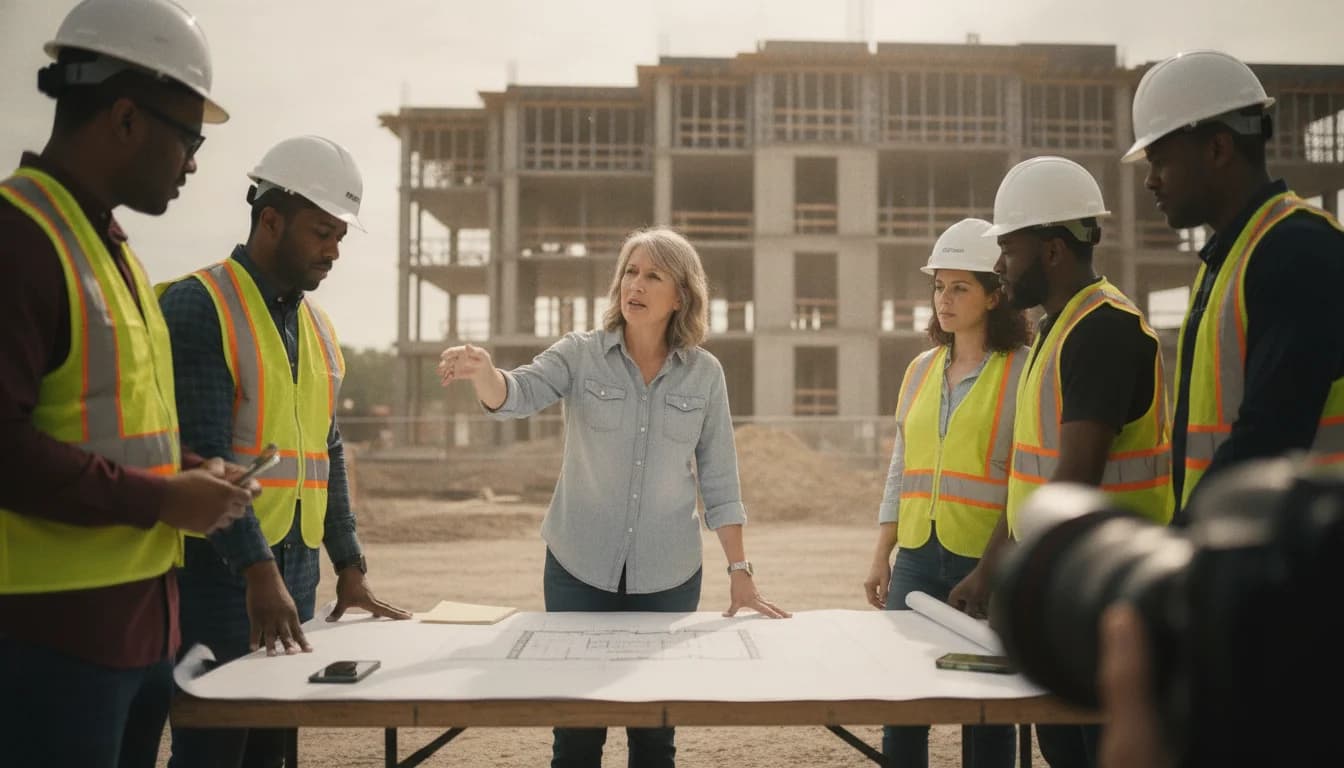
On July 14, 2026, Boston-based observers saw a milestone in Massachusetts municipal finance as Governor Maura Healey and Lt. Governor Kim Driscoll announced Build for Mass, a first-of-its-kind municipal infrastructure loan program. The Healey-Driscoll Administration introduced Build for Mass as a flexible, low-interest financing tool designed to close funding gaps for critical local projects—from roads and bridges to climate resilience and economic development—by leveraging MassDevelopment’s expertise in development finance. This is not a discharge of cash to cities and towns; it is a structured revolving loan mechanism intended to accelerate project delivery and maximize federal funding opportunities. Build for Mass will be funded by a $75 million revolving loan fund announced on July 14, 2026, by Governor Healey and administered by MassDevelopment, according to the Mass.gov press release. This foundational fact anchors a broader plan to modernize how towns and cities move infrastructure from planning to construction. (Mass.gov press release)
Two weeks after the formal unveiling, Massachusetts officials and municipal finance professionals began mapping out the practical meaning of Build for Mass for city halls, town managers, and regional planners. The program is designed to help Gateway Cities and rural communities move priority infrastructure projects forward more quickly, with MassDevelopment serving as the administering agency. As outlined on MassDevelopment’s program overview, Build for Mass includes two revolving loan programs—one focused on general infrastructure financing and another dedicated to green, or climate-related, projects—so communities can blend financing with federal funding streams. The state emphasizes that the initiative aims to maximize federal resources while reducing local borrowing costs. (MassDevelopment program overview; Mass.gov page)
What’s at stake is not simply a new line on a consolidated budget; it’s a framework intended to shorten the distance between a project’s concept and its construction. The program’s design explicitly targets projects that may otherwise stall due to funding gaps, with an eye toward climate resilience, clean energy, and economic development in communities that historically faced higher barriers to capital. In official materials, Build for Mass is described as Massachusetts’ first general municipal infrastructure lending program, an approach that could reshape how municipalities finance long-lived public works. (Mass.gov press release; Build for Mass overview)
Opening the door to municipal lending marks a shift in state policy toward financing tools that align with federal funding opportunities. The administration frames the program as a way to reduce total project costs by lowering interest rates and offering longer repayment terms compared with traditional municipal debt, thereby expanding the pool of feasible projects. The initiative also underscores a philosophy that local infrastructure investments can be accelerated when towns and cities have ready access to flexible capital that pairs with federal incentives and credits. (Mass.gov press release; MassDevelopment overview)
Anchor facts and the broader context are supported by multiple primary sources. The Mass.gov press release formally announcing Build for Mass highlights the $75 million revolving loan fund and the administration’s intent to use MassDevelopment as the administrator of this new lending program. MassDevelopment’s Green Finance page describes Build for Mass as a program with two loan streams—the General Loan Program and the Green Loan Program—designed to address planning-to-construction needs and to enable projects that qualify for federal energy credits. Together, these sources provide the framework readers need to understand what Build for Mass is, who administers it, and how it fits into the Commonwealth’s broader infrastructure and climate finance strategy. (Mass.gov press release; MassDevelopment Green Finance)
Section 1: What Happened
Launch Details
Announcement and leadership
- On July 14, 2026, the Healey-Driscoll Administration publicly announced Build for Mass as Massachusetts’ first general municipal infrastructure lending program. The release specified that MassDevelopment would administer the program, providing flexible, low-interest financing to communities. The launch was accompanied by a commitment to maximize federal funding opportunities for local projects. This event was documented in a formal Mass.gov press release issued for immediate release on that date. (Mass.gov press release)
Program structure
- Build for Mass comprises two revolving loan programs:
- General Loan Program: Low-cost financing for infrastructure projects that are supported by federal funding and have broad applicability to economic development, climate resilience, and related public works. (MassDevelopment Green Finance page)
- Green Loan Program: Bridge financing for municipal clean energy projects eligible for federal Direct Pay incentives, enabling upfront costs to be covered and a path to IRS tax credits upon project completion. (MassDevelopment Green Finance page)
- The two-program design is intended to provide municipalities with options to tailor financing to project type, lifecycle, and eligibility for federal credits, while keeping local borrowing costs predictable. (MassDevelopment Green Finance page)
Funding and administration
- The program is seeded with a $75 million revolving loan fund. The Mass.gov press release specifies that Build for Mass is a revolving loan fund, administered by MassDevelopment. Applications and implementation details are to follow as the agency releases program guidance. (Mass.gov press release)
Timeline and next steps
- When the program was announced, officials indicated that application guidance would be released as implementation proceeds, with additional details expected to emerge later in 2026. Municipal finance professionals and local officials have since been invited to participate in webinars and briefing sessions to understand eligibility, process, and expected timelines. (Mass.gov press release; MMA-related briefing announcements)
Section 2: Why It Matters
Local and regional impact
- Gateway Cities and rural communities are emphasized in the program’s design, reflecting a strategic focus on places that historically faced higher financing barriers for major capital projects. The program’s architecture aims to create a more level playing field by providing low-cost, flexible capital that can be stacked with federal resources. (Mass.gov press release; MassDevelopment program overview)
- Municipal leaders and urban planners in and around Boston have noted that Build for Mass could shorten project timelines by reducing the need for multi-year grant cycles and protracted debt issuances. The practical implication is that essential improvements—such as street rehabilitations, climate resilience measures, and critical public works—may move from planning to procurement and construction more quickly. (Mass.gov press release; MMA briefing materials)
Broader policy and fiscal context
- Build for Mass sits within a broader Massachusetts strategy to modernize infrastructure finance, leveraging the Commonwealth’s development finance capabilities to align with federal incentives and state climate goals. The program’s seed funding and governance model are designed to harmonize with MassDevelopment’s existing portfolio and with the state’s work to maximize federal investment opportunities for local projects. (Mass.gov press release; MassDevelopment Green Finance)
Economic and environmental implications
- By emphasizing low-interest terms and flexible repayment structures, Build for Mass could lower the true cost of capital for infrastructure projects and create a more predictable pipeline of work for local contractors, consultants, and engineers. While precise project-level impacts will depend on the number of applications and project mix, the program’s design explicitly targets climate resilience and clean energy, signaling a potential uptick in green infrastructure activity across Massachusetts. (Mass.gov press release; MassDevelopment Green Finance)
Expert and stakeholder perspectives
- Municipal associations and local government groups have welcomed the program as a meaningful tool to address funding gaps that often derail high-priority projects. The Massachusetts Municipal Association has featured Build for Mass in webinars and briefings aimed at helping communities understand eligibility, timelines, and best practices for successful applications. The association has positioned Build for Mass as a central element in a broader toolkit for local infrastructure investment. (MMA resources; Mass.gov materials)
- Analysts note that the program’s success will hinge on timely release of guidance from MassDevelopment, a clear and accessible application process, and ongoing coordination with federal funders to maximize leverage. As with any new financing program, the size of the pipeline and the actual projects funded will provide the most meaningful indicators of early impact. (Mass.gov press release; MMA briefing materials)
Blockquote: “This is the Commonwealth’s first general municipal infrastructure lending program,” as described in official materials, underscoring the policy shift toward proactive municipal finance designed to accelerate delivery of local projects. (Mass.gov press release)
Who is affected
- Municipal leaders, city managers, planning directors, and public works departments are the primary beneficiaries, since Build for Mass directly targets local infrastructure financing. Contractors and engineering firms that bid on municipal projects may also experience a stronger project pipeline as communities move from planning to procurement. The program’s emphasis on gateway cities and rural communities reinforces a commitment to broader regional development and equity in public investment. (Mass.gov press release; MassDevelopment program overview)
Section 3: What’s Next
Implementation timeline
- MassDevelopment is expected to issue program guidance and begin accepting applications later in 2026, with ongoing outreach and informational sessions to help communities prepare qualified proposals. The exact schedule will be communicated as implementation progresses, and municipalities should monitor MassDevelopment communications for updates on eligibility, project types, and funding cycles. (Mass.gov press release; Public-facing MassDevelopment communications)
Next steps for readers and practitioners
- Local officials should set up outreach with MassDevelopment and participate in upcoming briefings to understand how Build for Mass interacts with existing state programs and federal funding opportunities. Practitioners should prepare project profiles that align with the program’s focus areas—general infrastructure and green, climate-related projects—to optimize the chances of a successful loan arrangement. (Mass Development and Mass.gov materials)
- Market observers and municipal finance analysts will be watching for application intake metrics, pipeline quality, and project mix across the Commonwealth. The MMA has scheduled and promoted webinars to help jurisdictions understand how Build for Mass can fit into their capital plans, and many in the sector expect a pronounced shift in project timing and planning approaches as communities become more comfortable with revolving loan financing. (MMA resources; MMA webinar page)
What to watch for in the months ahead
- Detailed program guidance from MassDevelopment, including eligibility criteria, eligible project types, and debt service terms.
- The timing and size of the first project wave funded through Build for Mass, including how many communities participate in the initial application cycle.
- The degree to which Build for Mass accelerates project delivery and enables municipalities to pair borrowed funds with federal credits and incentives.
Closing
The Build for Mass program marks a notable evolution in Massachusetts’ approach to local infrastructure finance. By creating a flexible, revolving loan framework administered by MassDevelopment, the Healey-Driscoll Administration seeks to shorten project timelines, increase access to capital for gateway and rural communities, and maximize the impact of federal funding on local priorities. As guidance is issued and applications begin to flow, municipal leaders and contractors will be watching closely for signs that Build for Mass is delivering on its promise to accelerate essential improvements across the Commonwealth.
Readers seeking the latest on Build for Mass should follow MassDevelopment’s program overview and the official Mass.gov press releases, which together outline the program’s structure, funding, and anticipated timeline. Formunicipal stakeholders, these sources provide the essential roadmap to participate in what could become a foundational shift in state-local infrastructure financing. (Mass.gov press release; MassDevelopment Green Finance)
Note: The article relies on two primary sources for verification and context:
- Mass.gov press release: Governor Healey Launches Build for Mass, a First-of-Its-Kind Municipal Infrastructure Loan Program (July 14, 2026). Link: Mass.gov press release.
- MassDevelopment Green Finance program overview: Build for Mass (two loan programs: General Loan Program and Green Loan Program). Link: MassDevelopment Green Finance page.
About the author
Terrence Boyle
Terrence Boyle covers housing, transit and the regional economy for Daily Bostonian, from the MBTA and development fights to the employers driving growth around Boston.