News
Bear Mountain Healthcare Understaffing Settlement: $2.75M
Daily Bostonian reports on Bear Mountain Healthcare understaffing settlement and its implications for staffing, safety, and policy.
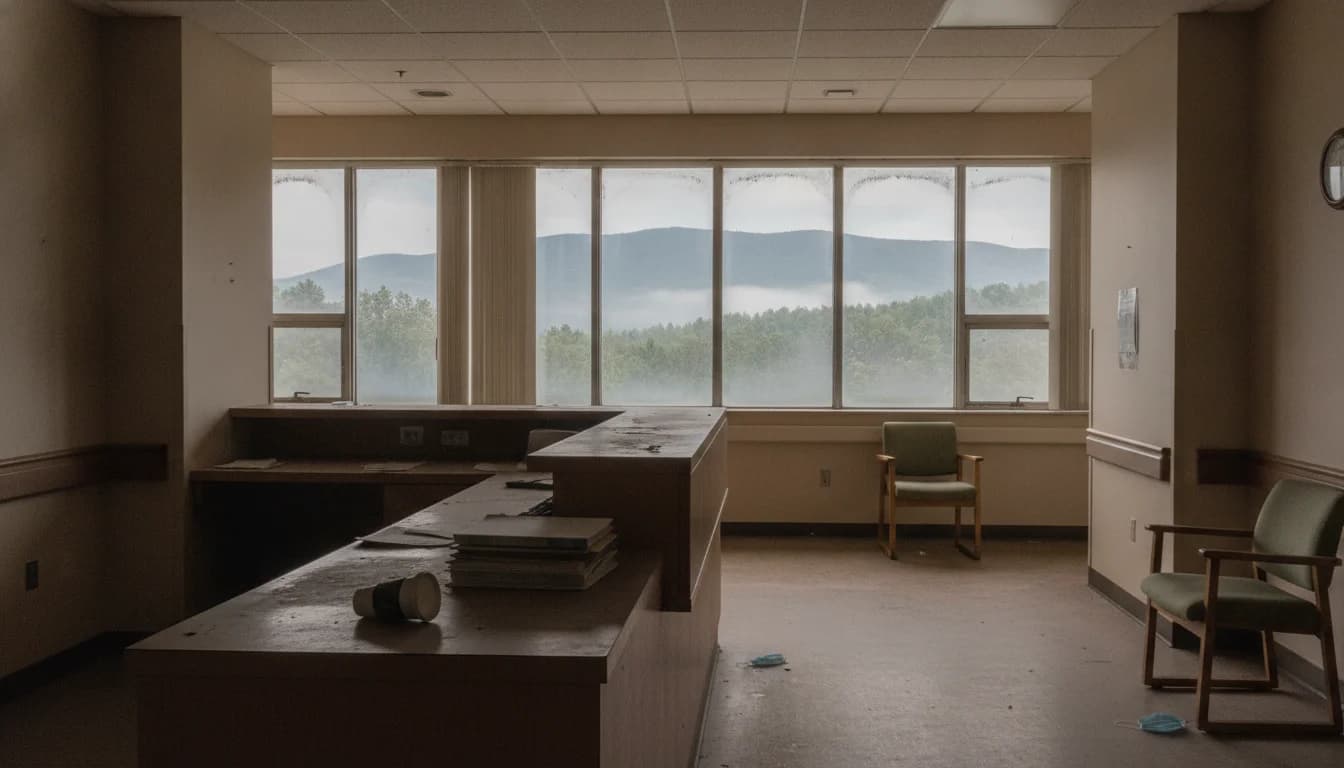
The Massachusetts attorney general’s office announced on July 1, 2026, a $2.75 million settlement with Bear Mountain Healthcare LLC and its affiliates to resolve allegations of systemic understaffing at 11 nursing homes in Massachusetts from April 1, 2021, through December 19, 2025. This action, described by the AG as a response to widespread understaffing that led to resident harm, marks a major reckoning for a chain long scrutinized for staffing and care concerns. According to the Massachusetts AG’s office, announced July 1, 2026, Bear Mountain Healthcare LLC will pay $2.75 million to settle claims of systematic understaffing at 11 facilities. This quote from the AG’s release highlights the intent to hold the company accountable and to redirect resources toward improved resident care. The Associated reporting and independent reviews surrounding Bear Mountain’s Massachusetts operations have centered on documented harms tied to staffing gaps, including wound care issues and preventable complications. The public record shows that the company sold several Massachusetts facilities in recent years and continues to oversee at least one remaining site, Timberlyn Heights in Great Barrington, with oversight expected under the settlement. The Globe’s coverage indicates the settlement spans 2021–2025 activity at 11 Bear Mountain facilities and allocates a specific sum for residents and for monitoring, with independent oversight triggered at Timberlyn Heights. This action comes as part of broader state and national attention to nursing-home staffing, patient safety, and the costs of inadequate care.
Section 1: What Happened
Timeline of events
The start of the investigation
Massachusetts regulators initiated a formal inquiry into Bear Mountain Healthcare’s Massachusetts operations in the wake of reported staffing and care concerns. The investigation focused on whether facilities met state nursing-care staffing requirements, including the state standard of 3.58 hours per patient day of direct care. The probe encompassed Bear Mountain facilities across the state, seeking to determine whether care gaps correlated with adverse resident outcomes.
The scope and period of conduct
The investigation examined activities spanning April 1, 2021, to December 19, 2025, across Bear Mountain’s Massachusetts homes, including locations once owned or managed by Bear Mountain Healthcare and its affiliated management entities. The state’s findings documented persistent understaffing and related resident harm at multiple sites during this period. Boston Globe reporting explicitly links the settlement to 11 homes affected during the 2021–2025 window and notes that some improvements are now required under monitoring and corrective plans. (bostonglobe.com)
The July 1, 2026 settlement agreement
On July 1, 2026, the Massachusetts Attorney General announced a $2.75 million settlement with Bear Mountain Healthcare LLC and related entities to resolve the allegations of systematic understaffing across the 11 facilities. The plan allocates funds for resident-focused improvements, sets up an independent monitor at specific facilities, and imposes ongoing oversight to ensure compliance with care standards and staffing requirements. The disclosure frames the settlement as a landmark accountability moment for a chain that regulators say repeatedly underdelivered direct care hours. The Center for Medicare Advocacy highlights the Massachusetts action as part of a trio of state-level actions addressing understaffing, noting that the Massachusetts document references a Settlement Agreement and Release dated July 1, 2026. (medicareadvocacy.org)
Key facts of the settlement
The core terms, as reported by multiple outlets and summarized by advocacy groups, include:
- A total payment of $2.75 million by Bear Mountain Healthcare LLC and affiliates, announced July 1, 2026. This figure is tied directly to alleged systemic understaffing that contributed to resident harm during the 2021–2025 window. The July 1, 2026 date and the $2.75 million amount are documented in both mainstream reporting and advocacy summaries. (bostonglobe.com)
- An earmarked allocation of $1 million to Timberlyn Heights, Bear Mountain’s remaining facility in Massachusetts, to fund baseline assessments and a comprehensive improvement plan, with independent monitoring and biannual audits for three years. This targeted funding and oversight arrangement is described in Globe coverage of the settlement and is echoed in the settlement terms summarized by advocates. (bostonglobe.com)
- The rest of the settlement funds will be directed to restitution and to further activities aligned with resident care improvements as defined by the settlement. The Globe’s reporting confirms that the revenue from the settlement will be used to address harms identified in the investigation and to support compliance measures going forward. (bostonglobe.com)
- The settlement does not preclude families or other private plaintiffs from pursuing lawsuits, nor does it bar further civil or administrative actions related to Bear Mountain’s past conduct beyond the terms specified in this agreement. This detail appears in the Globe’s article outlining the settlement’s scope and its implications for ongoing civil actions. (bostonglobe.com)
Facilities and corporate structure involved
The filing lists Bear Mountain facilities in Massachusetts as the subject of the investigation, with Timberlyn Heights in Great Barrington identified as the remaining facility under Bear Mountain’s management, owned by a separate entity (JTRP LLC) but affiliated with Bear Mountain’s leadership and management. The Globe article provides granular detail on the corporate connections, including the naming of Michael Kaplan as a member and owner of Bear Mountain Healthcare and Bear Mountain Management Company, and Scott Ziskin as a member, manager, and owner of both Bear Mountain entities. This background helps explain the corporate layering involved in the settlement. The Timberlyn Heights facility is slated to receive $1 million of the settlement funds, and it will be subject to heightened monitoring for three years, with a baseline assessment informing a final improvement plan. (bostonglobe.com)
The Settlement Document and Primary Sources
- Settlement Agreement and Release, Bear Mountain Healthcare LLC, et al, and Commonwealth of Massachusetts Executive Office of Health and Human Services (Jul. 1, 2026) — referenced as the primary instrument underpinning the terms described in public reporting. The Center for Medicare Advocacy’s review explicitly cites this document date and its implications for acuity-based staffing and independent monitoring. See the CMA’s article for a direct citation to the document. (medicareadvocacy.org)
- Massachusetts Department of Justice and Office of the Attorney General announcements (primary release materials accompanying the settlement). While access to the original page can vary by time, the public record reflects the same settlement terms and dates described above, and is corroborated by subsequent reporting. The Boston Globe’s July 1, 2026, coverage confirms the date, the total settlement amount, and the allocation for Timberlyn Heights. (bostonglobe.com)
Section 2: Why It Matters
Impact on residents and families
The settlement comes after a period of sustained scrutiny of Bear Mountain’s Massachusetts operations, during which advocates documented harms tied to chronic understaffing, including risks of pressure ulcers, dehydration, malnutrition, and medication-related injuries. The Globe’s reporting highlights injuries associated with understaffing and notes that some residents experienced harm such as pressure ulcers and falls, underscoring the human cost behind the staffing metrics being debated in policy discussions. The settlement’s allocation and the independent monitoring requirements are designed to create visible, enforceable steps toward mitigating those harms and restoring confidence in care standards at Bear Mountain’s Massachusetts sites. The reporting also acknowledges that Timberlyn Heights—Bear Mountain’s remaining site—will receive targeted investment to drive measurable improvements. (bostonglobe.com)
Quote from a state elder-care advocate included in the coverage: "We are happy to see this action taken, especially for the $1 million benefiting residents," said Paul Lanzikos, reflecting a perspective that the settlement channels funds directly to care improvements and oversight. This sentiment captures the broader community interest in ensuring that settlements translate into tangible resident benefits rather than merely financial penalties. (bostonglobe.com)
Regulatory and policy implications
The Bear Mountain Healthcare understaffing settlement sits within a growing national conversation about nursing-home staffing standards and how states enforce them. The Massachusetts action, filed under false-claims theories, argues that chronic understaffing and misrepresentation of care levels violated state rules and led to improper billing. The CMA’s coverage places the Massachusetts action alongside California and Michigan cases that also center staffing acuity and the sufficiency of direct-care hours as central concerns. The CMA analysis emphasizes acuity-based staffing as a regulatory response that aligns staffing with resident needs, a standard that is challenging to implement in the current environment but increasingly seen as essential for patient safety. This context helps readers understand why the Bear Mountain settlement is viewed as more than a one-off penalty; it reflects a broader shift toward enforceable care metrics and independent monitoring in long-term care. (medicareadvocacy.org)
Industry context and broader consequences
Long-term care remains an industry-wide challenge in staffing and funding, with rising costs and workforce shortages complicating compliance efforts. The Globe notes ongoing concerns about Bear Mountain’s portfolio and the wider industry’s difficulties in maintaining safe staffing levels. The underlying policy discussion includes not only state-level actions but also federal regulatory developments around staffing and acuity. Advocacy groups and researchers have argued for acuity-adjusted staffing models as a way to align staffing with patient complexity, a stance that has gained traction in state-level lawsuits and policy proposals. The CMA’s synthesis highlights that Massachusetts’ settlement and similar actions in other states are part of a coordinated effort to move beyond nominal staffing roles toward enforceable staffing baselines anchored in patient acuity. (bostonglobe.com)
What the public record says about staffing and safety
In Bear Mountain’s Massachusetts episodes, public reporting has consistently tied lower staffing levels to negative resident outcomes, while the corporate responses emphasized care improvement plans and commitments to monitoring. The Worcester-area investigations and Disability Law Center reports, cited in local and regional journalism, provide a backdrop for why the July 1, 2026 settlement was met with both relief and continued scrutiny from watchdogs and families. The Massachusetts action is part of a broader pattern in which public health authorities look to structural remedies—funding for care improvements, independent oversight, and transparency in staffing metrics—to ensure that patient safety remains central to facility operations. (bostonglobe.com)
What the pay-for-performance and monitoring framework implies
The settlement’s design, which includes a mix of direct resident-focused funding, restitution, and independent monitoring, signals a push toward outcomes-based accountability in skilled-nursing facilities. The Timberlyn Heights oversight arrangement—biannual monitorships for three years—establishes a rigorous evaluative framework, which may shape how other facilities approach staffing and care planning. The emphasis on independent monitoring—an approach previously associated with other state settlements—aims to reduce conflicts of interest and provide objective assessments of progress. The combined effect of restitution, care-focused investment, and third-party oversight creates a model that other states and operators may reference in future agreements. (bostonglobe.com)
Section 3: What’s Next
Timeline and next steps for Bear Mountain
- Short term (immediate months after July 1, 2026): Bear Mountain must implement the settlement terms, including distributing designated funds to Timberlyn Heights and initiating the independent monitoring arrangement. Facilities previously affiliated with Bear Mountain may experience heightened scrutiny as they align with the settlement’s terms. The Globe notes that Timberlyn Heights is the primary site receiving funding for improvement plans and monitoring, with independent oversight to run concurrently for the next three years. (bostonglobe.com)
- Medium term (three-year monitoring window): An independent monitor will conduct biannual audits of Timberlyn Heights, and the facility will be required to maintain compliance with the agreed-upon improvement plan and staffing enhancements. This period is intended to demonstrate measurable progress in resident care and staffing adequacy, consistent with the settlement’s emphasis on accountability. (bostonglobe.com)
- Long term (post-monitoring): The settlement’s long-run impact will depend on sustained improvements in staffing, patient outcomes, and ongoing compliance with state standards. The Mass.gov-based settlement documents and the Globe’s reporting imply that the state will review outcomes to determine whether further action is necessary beyond the three-year monitoring window. (bostonglobe.com)
What to watch for in the regulatory and market context
- Staffing benchmarks and acuity-based staffing: The CMA’s analysis points to acuity-based staffing as a reference framework that regulators and operators may increasingly adopt. Readers should watch how Massachusetts and other states interpret and implement acuity-adjusted staffing in practice, including any new regulatory guidance or enforcement actions that emerge in the wake of this settlement. (medicareadvocacy.org)
- Private action and consumer advocacy: The settlement does not preclude families from filing suits, suggesting private legal actions may continue to shape the regulatory and market environment around Bear Mountain and similar operators. Families and advocates may leverage settlement terms in ongoing or new advocacy and litigation efforts to demand higher care standards. (bostonglobe.com)
- Portfolio impacts for Bear Mountain: The Globe’s reporting indicates Bear Mountain has sold several facilities and now operates Timberlyn Heights under an affiliated ownership structure. The market and regulatory implications of these portfolio shifts could influence how the operator approaches staffing and capital investment in its remaining footprint. (bostonglobe.com)
Next steps for readers and stakeholders
- For residents and families: Monitor Timberlyn Heights’ improvement plan and the independent monitor’s biannual reports. Stay in touch with facility leadership, patient advocates, and state oversight agencies to track progress against the agreed metrics.
- For policymakers and researchers: Consider how acuity-based staffing models could be operationalized in other settings and how settlements like this one inform best practices for resident safety and care quality.
- For industry watchers: Track Bear Mountain’s ongoing compliance trajectory and the broader sector’s response to state settlements that tie staffing to patient outcomes. Analysts and reporters may seek to compare Massachusetts’ approach with California’s and Michigan’s actions to identify common themes and divergent implementations.
Closing
In a sector where staffing levels have long been a point of contention, the Bear Mountain Healthcare understaffing settlement represents a clear statement: state authorities will leverage settlements to fund improvements, impose independent oversight, and demand accountability for care standards. The July 1, 2026, agreement ties a concrete monetary remedy to a defined care-improvement program and a defined monitoring schedule, underscoring the central role of staffing in patient safety and quality of life in nursing facilities. As Bear Mountain implements the settlement terms, residents, families, and policymakers will be watching closely to see whether the new structure translates into measurable gains in care outcomes and daily living quality for residents across the affected facilities. The events surrounding Bear Mountain’s Massachusetts operations will likely shape attention to staffing, oversight, and patient safety in long-term care for months and years to come, with the independent monitor reports serving as critical reference points for accountability and progress.
Jason Laughlin can be reached at jason.laughlin@globe.com. Follow him @jasmlaughlin. For ongoing updates, readers should review the Massachusetts settlement documentation and subsequent oversight reports as they are released by state agencies and independent monitors. The Bear Mountain case underscores a broader, data-driven shift in how regulators and operators address understaffing in nursing facilities, signaling that future settlements may require more transparent funding allocations, rigorous monitoring, and clearly defined resident-centered improvements.
About the author
Eleanor Whitcomb
Eleanor Whitcomb is the editor of Daily Bostonian. She has covered Boston City Hall and the State House, and edits the paper's daily report.